


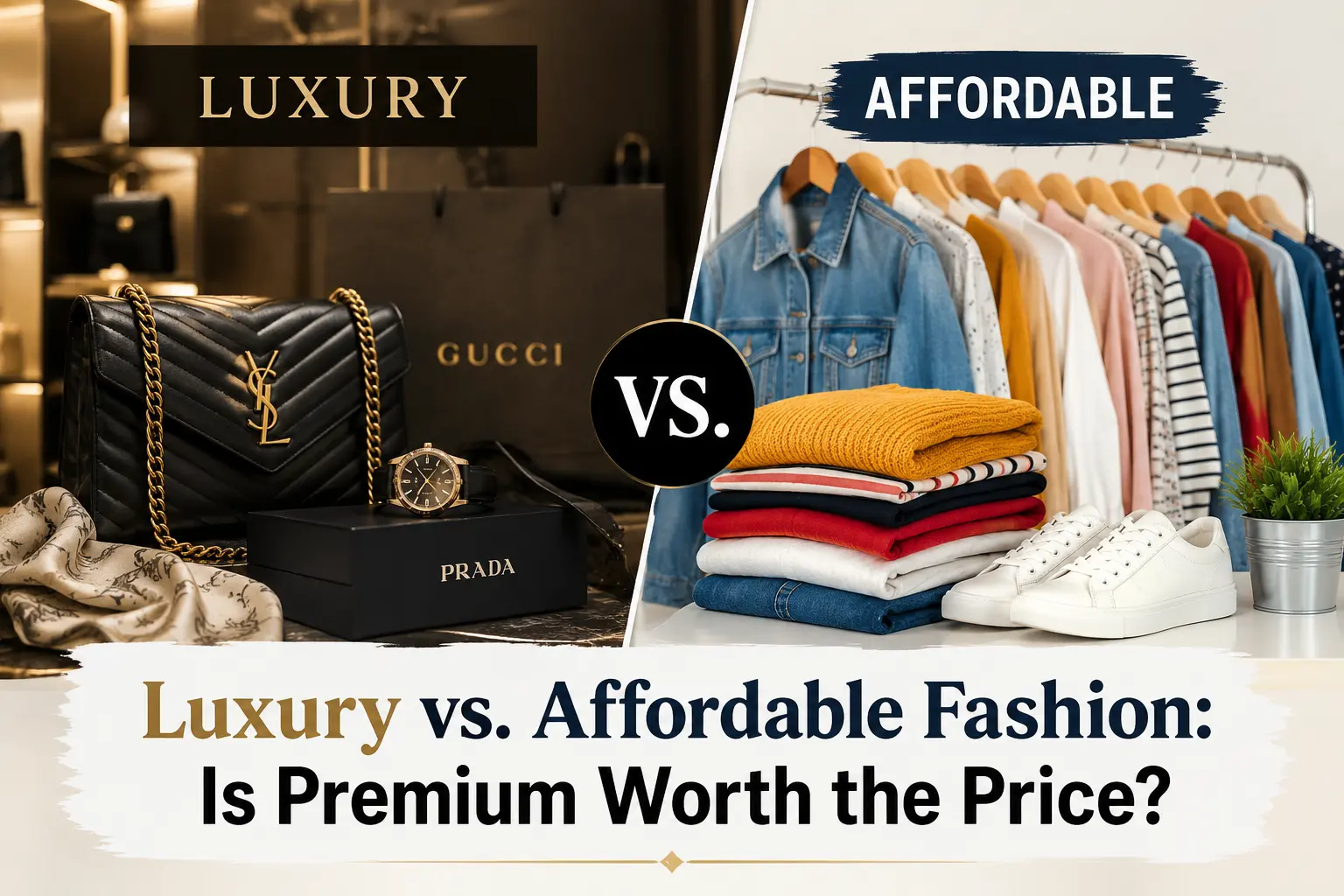
The choice between luxury and affordable fashion often feels like a debate between long-term value and immediate accessibility. While luxury items carry steep price tags, they are frequently built on promises of enduring quality, heritage, and exclusivity. Conversely, affordable fashion offers a low-barrier way to participate in rapidly shifting trends. Understanding whether a premium piece is “worth it” requires looking beyond the logo to assess the true cost of ownership and the personal value the item provides.
The Case for Investing in Luxury
Luxury fashion is rarely just about the fabric; it is a blend of artistry, labor, and narrative. When you pay a premium for a designer piece, you are often funding a standard of production that mass-market brands find difficult to replicate.
-
Superior Craftsmanship: Premium items are frequently handmade or produced by highly skilled artisans. This attention to detail results in superior stitching, precise tailoring, and finishing that can extend the life of a garment by decades.
-
High-End Materials: Designer goods prioritize textiles like fine leather, virgin wool, silk, and cashmere. These materials offer tactile sensations and durability that synthetic, mass-produced alternatives simply cannot match.
-
Timeless Aesthetics: While affordable fashion chases fleeting trends, luxury pieces often focus on classic silhouettes. A well-constructed trench coat or a leather handbag from a heritage brand remains relevant across seasons and years.
-
Resale Value: Certain iconic luxury items hold—or even increase—their value on the secondary market. A high-quality designer bag can be viewed as an asset, whereas a mass-produced item typically loses all value immediately after purchase.
-
Ethical and Sustainable Foundations: Many luxury houses are shifting toward more transparent supply chains, prioritizing responsible sourcing and eco-conscious production methods to justify their premium positioning.
The Practicality of Affordable Fashion
Affordable fashion serves a different purpose, prioritizing flexibility, variety, and the ability to experiment with personal style without significant financial risk.
-
Trend Participation: Affordable retailers allow you to keep your wardrobe updated with current styles. If a specific color or cut is popular for only one season, low-cost options let you participate without breaking your budget.
-
Lower Financial Risk: Accidents happen—spills, tears, or simple changes in taste. It is far less stressful to replace an affordable item than a luxury one, making these pieces ideal for everyday, high-activity use.
-
Experimental Styling: Fashion is a tool for self-discovery. Affordable pricing encourages you to try new patterns, silhouettes, or accessories you might not otherwise consider, helping you refine your personal aesthetic.
-
Accessibility: Everyone deserves to feel confident and put-together. Mass-market fashion democratizes style, ensuring that individuals across all income levels have access to clothing that fits their lifestyle and professional needs.
Balancing Quality and Utility
The most effective wardrobes are rarely one-sided. Instead, they often rely on a “high-low” mix—pairing high-end investment staples with high-quality, affordable basics. You might choose to invest heavily in items that endure daily use, such as a structured blazer or a sturdy pair of boots, while utilizing affordable options for seasonal items or casual wear. By shifting the focus from the price tag to the “cost-per-wear,” you can make more rational decisions. If an item will be worn hundreds of times, a higher upfront cost often results in a lower daily cost over time, effectively proving that premium craftsmanship is not just a luxury—it is a pragmatic choice for the long-term curator.
Frequently Asked Questions
1. Is “luxury” always better quality than “premium” or mass-market?
Not always. While luxury denotes the highest level of craftsmanship and exclusivity, some “premium” brands offer excellent quality at a more accessible price point. Always inspect fabric composition and construction over just the brand name.
2. How do I calculate if a luxury item is worth it?
Use the cost-per-wear formula: divide the price of the item by the number of times you expect to wear it. A $1,000 coat worn 200 times costs $5 per wear, which may be more economical than a $100 coat that lasts only a few wears.
3. Does brand name contribute to the price?
Yes. Much of the cost of luxury items includes “brand premium”—the value of the reputation, marketing, and the status the logo provides. You are paying for the brand’s heritage as much as the product itself.
4. Are all expensive clothes sustainable?
No. Sustainability depends on the brand’s specific practices, not just its price point. Research a brand’s sourcing and labor policies if ethical production is a priority for you.
5. Is quiet luxury a better investment than logo-heavy pieces?
Generally, yes. “Quiet luxury” emphasizes material quality and timeless design rather than trends or logos. These pieces tend to be more versatile and have greater long-term staying power in a wardrobe.





Leave a Reply