


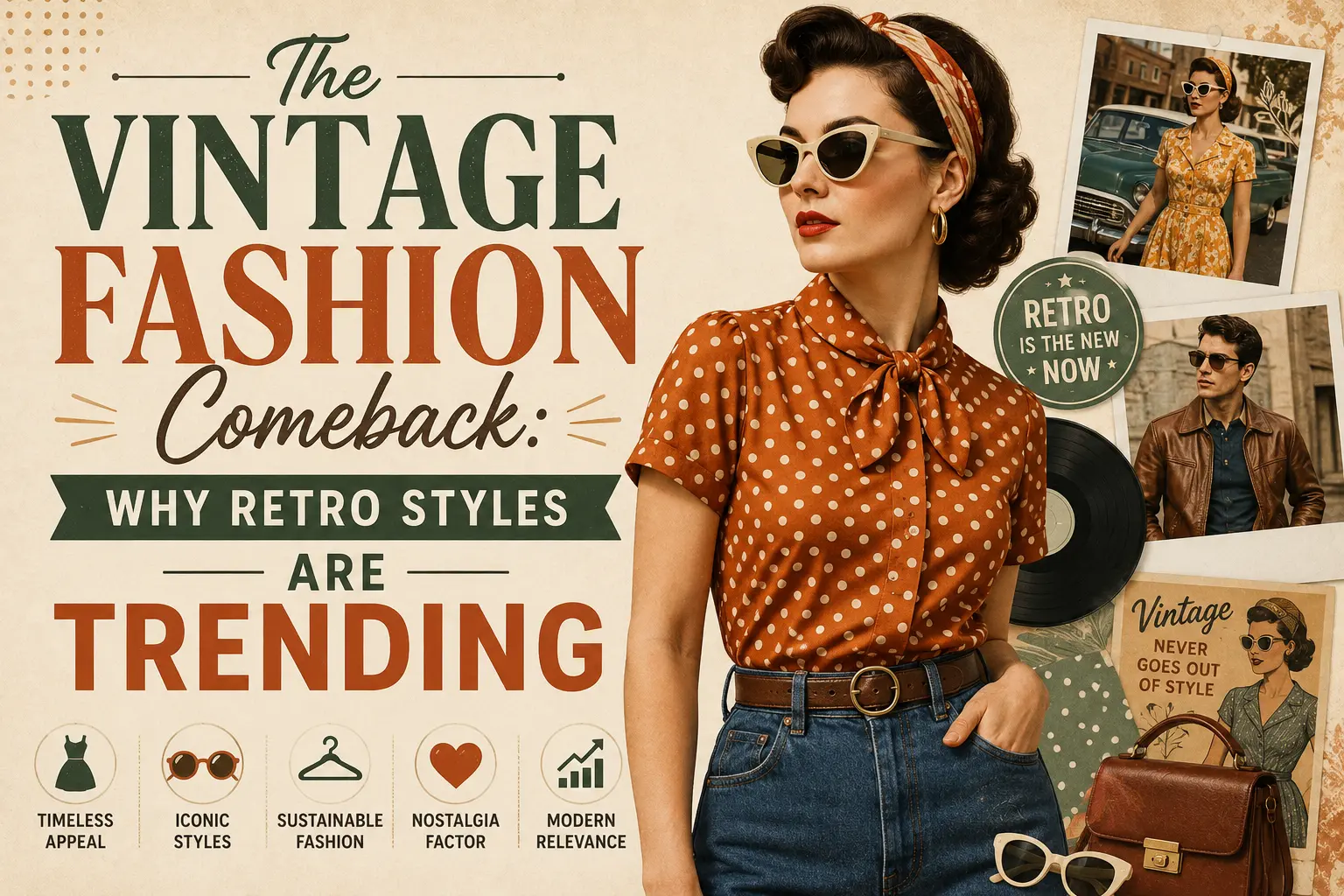
The resurgence of vintage fashion is more than a fleeting aesthetic preference; it is a profound shift in how consumers view their wardrobes. People are moving away from the disposability of modern mass-market trends and returning to pieces that offer character, historical context, and tactile quality. This return to retro style is a rebellion against the uniformity of contemporary retail, allowing individuals to curate a look that feels personal and distinct.
Why Retro Styles Resonate Today
The appeal of vintage clothing lies in its ability to offer a story. Unlike modern pieces that often feel generic, retro garments carry a sense of heritage and meticulous construction. This trend is driven by a desire for individuality and a growing appreciation for the craftsmanship of past eras.
-
Unmatched Quality: Older garments were often constructed with more durable fabrics and robust tailoring techniques. The longevity of these pieces makes them a smart investment for those seeking to build a sustainable, long-term wardrobe.
-
The Thrill of the Hunt: Shopping for vintage is an experiential process. Finding a unique, one-of-a-kind item provides a sense of discovery and accomplishment that standard retail environments cannot replicate.
-
Historical Narrative: Wearing vintage allows you to connect with specific cultural moments. Whether it is the bold silhouettes of the 1980s or the minimalist elegance of the 1990s, these styles serve as a form of personal expression.
-
Sustainability Focus: Choosing vintage is a conscious effort to extend the life of existing garments, reducing the demand for new production and minimizing the environmental footprint associated with manufacturing.
-
Aesthetic Distinction: Retro fashion offers silhouettes, patterns, and color palettes that are rarely seen in modern stores, helping you stand out and avoid the “cookie-cutter” look common in fast fashion.
Mastering the Retro-Modern Blend
Successfully integrating vintage pieces into a modern wardrobe is an art form. The goal is to create a cohesive look that feels deliberate rather than costume-like.
-
Start with Statement Pieces: Begin by incorporating one key retro item, such as a structured blazer or a high-waisted skirt, and pairing it with modern basics to anchor the look.
-
Focus on Fit: Vintage sizing often differs significantly from modern standards. Always prioritize the fit; tailoring a retro garment to your specific measurements can transform a vintage find into a high-end, bespoke piece.
-
Mix Eras Carefully: Combine items from different decades to create a balanced silhouette. Pairing a 1970s print blouse with 1990s denim creates a look that feels curated and fresh.
-
Accessorize for Impact: If a full vintage garment feels too bold, use vintage accessories—like belts, scarves, or jewelry—to add a touch of retro flair to your existing daily outfits.
-
Keep it Clean and Current: Pair older items with modern footwear or clean-lined basics to ensure the overall ensemble remains relevant for today’s lifestyle.
The Cultural Impact of Curated Style
The vintage movement is fundamentally changing the fashion ecosystem. As more consumers prioritize unique, high-quality pieces, the industry is witnessing a decline in the dominance of hyper-fast trends. This shift is empowering smaller curators and individual shoppers to define what is “in style” rather than leaving that power solely to large retail conglomerates. By valuing the craftsmanship of the past, we are creating a more thoughtful future where clothing is treated as a lasting possession rather than a disposable commodity. This evolution toward conscious, curated style is not just a trend—it is a new standard for authentic self-expression.
Frequently Asked Questions
1. Is vintage the same as thrifted? Not always. “Thrifted” refers to the act of buying used items, while “vintage” typically refers to clothing that is at least 20 years old, often possessing significant cultural or historical relevance.
2. How do I know if a vintage piece is high quality? Check the interior seams and fabric composition. Natural fibers like wool, silk, and cotton are more durable and indicative of quality craftsmanship compared to flimsy synthetic materials.
3. Will vintage styles keep trending? Yes. As consumers become more environmentally conscious and seek ways to differentiate themselves, the demand for unique, high-quality vintage items will continue to grow as a permanent fixture in fashion.
4. Can I wear vintage clothes to a modern office? Absolutely. Many retro styles—like tailored trousers, silk blouses, and structured blazers—are timeless. The key is to mix them with modern silhouettes to maintain a professional, contemporary appearance.
5. Does wearing vintage make me look dated? Not if styled correctly. The trick is to avoid “head-to-toe” vintage looks from a single decade, which can look like a costume. Blending a single vintage piece with current wardrobe staples keeps the look modern and chic.






Leave a Reply