


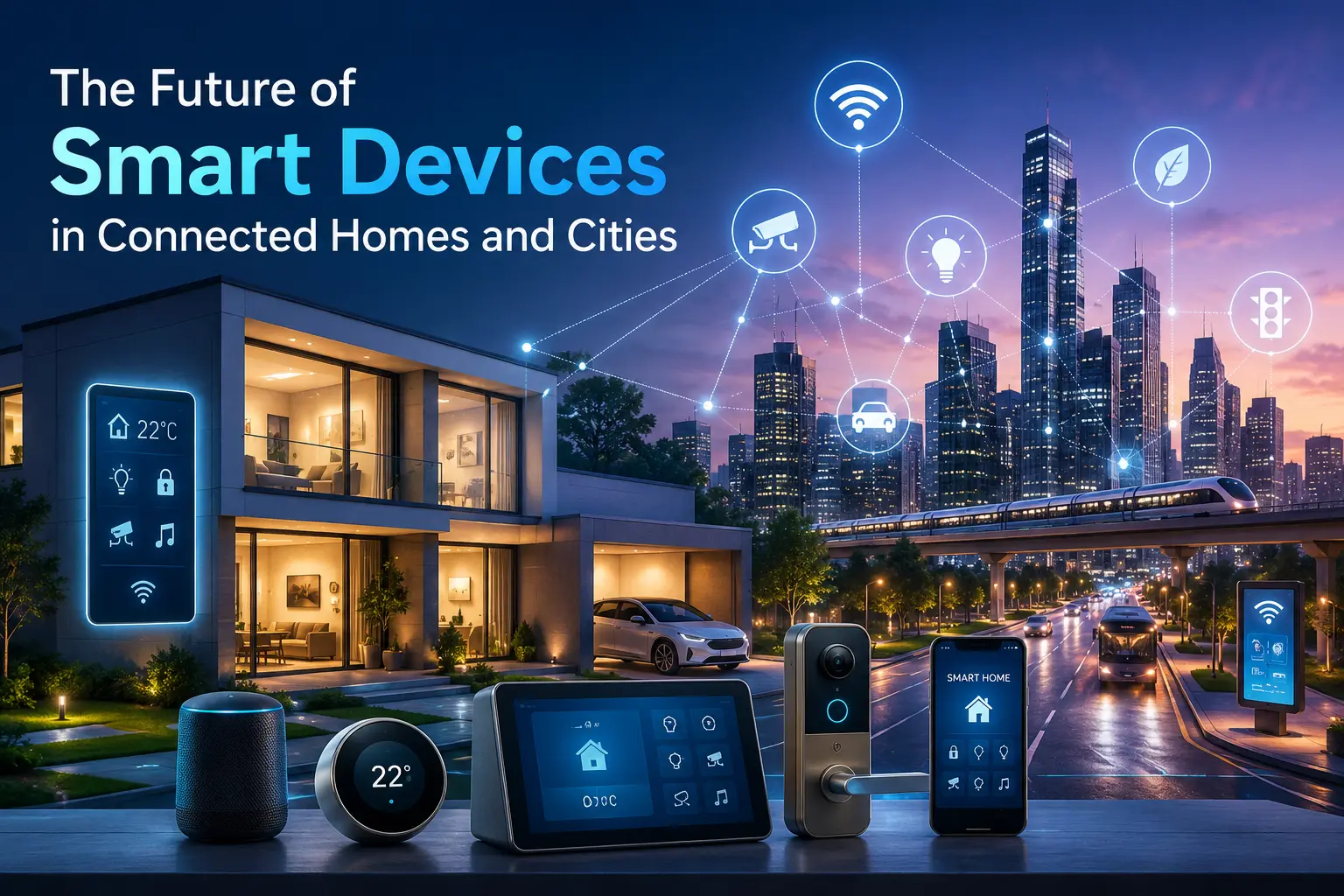
The integration of smart technology is no longer a luxury; it is the infrastructure of modern living. By 2026, the boundaries between individual connected homes and the broader smart city ecosystem have begun to dissolve. Devices are shifting from static, app-controlled tools to adaptive systems that anticipate human needs. This evolution prioritizes seamless interoperability, energy intelligence, and proactive maintenance, creating environments that work quietly in the background to improve safety, sustainability, and daily convenience.
The Shift Toward Adaptive Smart Home Ecosystems
Modern smart homes are moving away from fragmented, multi-app setups. The current focus is on unified control, where diverse devices from various manufacturers communicate through standardized protocols. This allows for an “orchestration layer” that manages lighting, climate, security, and entertainment as a single, cohesive experience. Rather than requiring constant manual input, these systems learn from real-world behavior to automate tasks based on daily routines rather than rigid, pre-set schedules.
-
Proactive Personalization: AI-driven systems now adjust room temperatures and lighting based on real-time occupancy and seasonal preferences, minimizing waste without sacrificing comfort.
-
Energy Intelligence: Smart homes have become active nodes in the energy grid, managing local solar production and battery storage to optimize electricity usage during peak demand times.
-
Minimalist Integration: Intrusive control panels are being replaced by subtle, design-integrated interfaces that hide technology within the architecture, emphasizing aesthetics alongside performance.
-
Interoperable Standards: Universal connectivity standards allow residents to expand their ecosystems incrementally, avoiding the “locked-in” feeling of older, proprietary systems.
Urban Transformation Through Connected Infrastructure
Smart cities are transitioning from isolated pilot programs to integrated, city-wide performance networks. This shift is driven by a focus on citizen-centric outcomes, such as reduced travel times, lower emissions, and improved public safety. By leveraging massive data streams from IoT sensors, city planners are re-engineering essential services to be more responsive to the actual pulse of the urban environment.
-
Dynamic Traffic Management: Artificial intelligence analyzes traffic flow in real-time, adjusting signal timings to reduce congestion and carbon emissions, rather than relying on outdated, fixed-schedule patterns.
-
Optimized Resource Allocation: Smart waste management systems use sensors in bins to alert collection services only when containers are nearly full, reducing unnecessary truck runs by up to 90%.
-
Resilient Energy Grids: Decentralized microgrids allow neighborhoods to share energy resources, providing backup power and increasing overall resilience during climate-related outages.
-
Digital Twin Modeling: Urban planners utilize high-fidelity digital replicas of cities to simulate and test the impact of infrastructure changes, identifying potential issues before they occur in the physical world.
Security, Privacy, and Human-Centric Design
As homes and cities grow more interconnected, the importance of robust security has moved from the periphery to the core of device design. Modern connected environments now utilize “Zero Trust” architectures, where every device is verified at every step. This focus on security is essential for maintaining public trust and ensuring that the convenience of automation does not come at the cost of personal privacy or system reliability.
The future of these technologies is not just about raw connectivity but about creating “experience-driven” spaces. Whether it is a home that prepares itself for your return or a city that navigates your commute more efficiently, the primary goal of the next wave of smart technology is to remove friction from daily life. By blending AI-powered insights with durable, long-term infrastructure, these systems are building a foundation for a more sustainable and equitable urban existence.
Frequently Asked Questions
1. How do smart homes save money on energy bills?
Smart homes utilize AI to monitor energy consumption patterns and occupancy. By automatically dimming lights, adjusting HVAC systems when rooms are empty, and optimizing the use of solar power, they significantly reduce waste and lower monthly utility costs.
2. Are smart devices safe from cyber threats?
Modern devices prioritize security through embedded cryptographic hardware, over-the-air updates, and “Zero Trust” networking. This ensures that every interaction within the smart ecosystem is verified, protecting user data from unauthorized access.
3. What is the role of AI in smart city planning?
AI acts as the analytical engine for smart cities, processing data from millions of sensors to predict infrastructure needs, manage traffic patterns, and optimize public services like waste collection and energy distribution in real-time.
4. Can I build a smart home without replacing my current appliances?
Yes, the majority of the market is focused on “retrofit” solutions. You can add smart plugs, connected thermostats, and automated lighting modules to your existing infrastructure, allowing for gradual, budget-friendly upgrades.
5. Will smart city technology eventually lead to complete automation?
While cities are becoming more automated, the goal is human-centric design. AI handles repetitive, resource-heavy tasks to improve efficiency, while final decisions regarding urban life and governance remain under human guidance.





Leave a Reply