


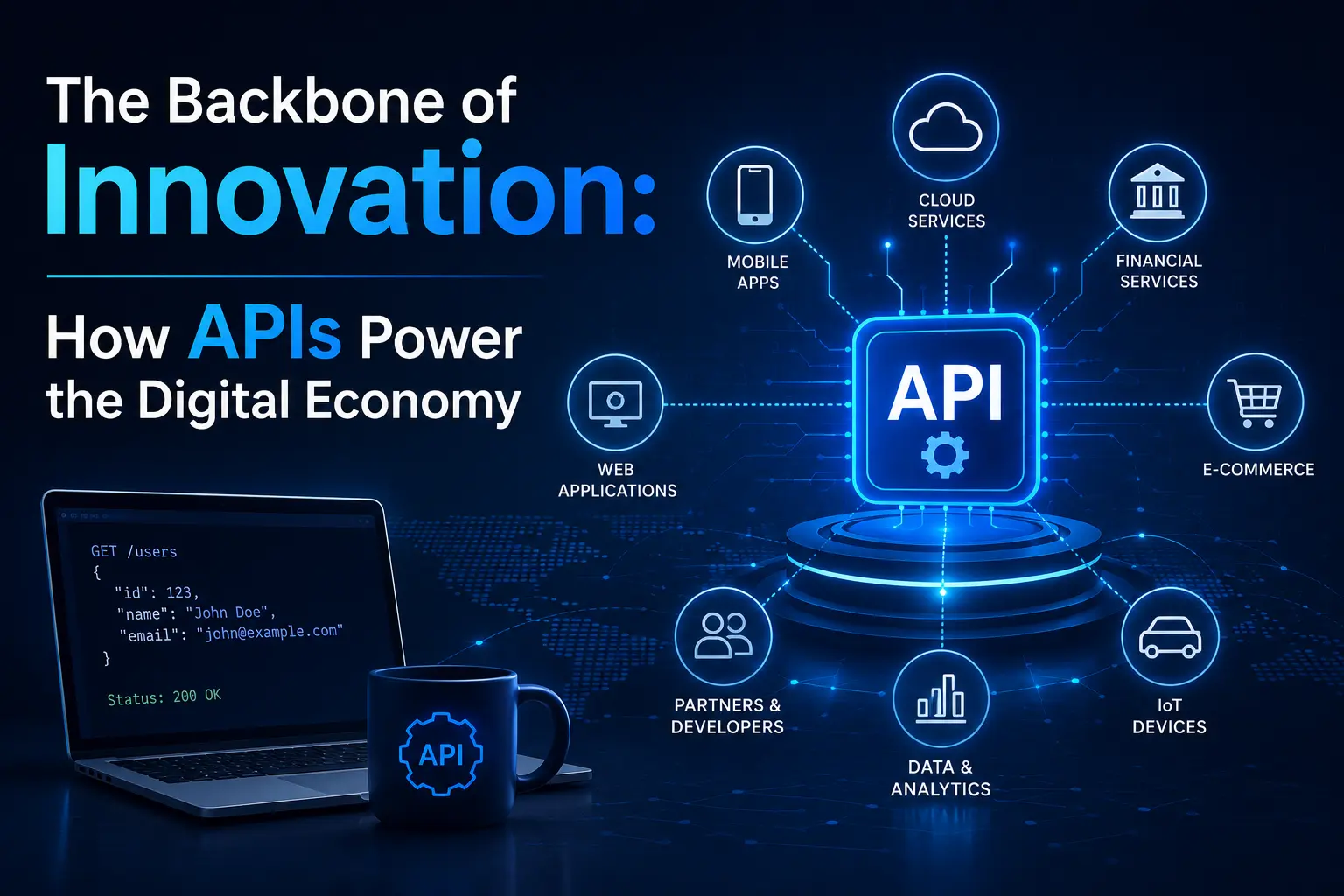
Application Programming Interfaces (APIs) act as the invisible bridge connecting the vast, fragmented landscape of modern software. They are the conduits for information exchange, allowing distinct programs to “talk” to one another in a standardized language. By abstracting complex backend logic, APIs enable developers to build sophisticated applications without reinventing every wheel, effectively serving as the foundational building blocks for the entire digital economy.
The Strategic Value of API-Driven Architecture
Businesses that treat APIs as strategic assets rather than mere technical utilities gain significant competitive advantages. Instead of building monolithic, self-contained systems, organizations now leverage modular architectures where specialized services interact via clear, defined interfaces. This shift fosters agility, allowing companies to pivot quickly and integrate third-party services—like payment gateways or location mapping—into their offerings with minimal friction.
-
Accelerated Speed-to-Market: By utilizing pre-built API functionalities, development teams bypass lengthy coding cycles, enabling rapid deployment of new features and services.
-
Seamless Interoperability: APIs unify disparate systems, such as marketing platforms, CRMs, and inventory management tools, into one cohesive, data-flowing ecosystem.
-
Scalable Business Models: Companies can expose their internal data or services to external developers, creating entirely new revenue streams through subscription-based or usage-based access.
-
Enhanced User Experiences: APIs enable the personalized, multi-channel experiences users expect, from pulling real-time weather updates into a travel app to synchronizing patient health records across different medical facilities.
Driving Digital Transformation and Efficiency
Digital transformation relies heavily on the ability to automate manual processes and extract meaningful insights from data. APIs provide the technical framework necessary to move away from reactive, process-driven work toward proactive, automation-led operations. When systems communicate autonomously, the need for human intervention in routine data transfers vanishes, drastically reducing errors and operational overhead.
-
Automation of Workflows: Triggering actions across platforms—such as updating a spreadsheet when a new customer signs up on a website—streamlines daily operations.
-
Real-Time Data Integration: Bringing information from various sources into a single dashboard allows for faster, data-driven decision-making.
-
Third-Party Ecosystem Expansion: Partnering with external vendors through APIs allows businesses to bundle services, such as a ride-sharing app integrating a maps service for navigation and a payment provider for transactions.
-
Legacy Modernization: APIs wrap aging backend systems in modern interfaces, allowing companies to retain valuable legacy logic while updating their user-facing applications.
Building for Security and Long-Term Scalability
As the reliance on interconnected systems grows, so does the imperative for robust API management. Security is no longer an afterthought but a core design principle, incorporating rigorous authentication, rate limiting, and monitoring. By treating APIs as long-lived products with their own lifecycles, organizations ensure that their digital infrastructure remains reliable, secure, and capable of handling the increasing volume of global internet traffic.
The evolution of the digital economy is inseparable from the proliferation of APIs. As these interfaces continue to mature, they will remain the essential “digital glue” that allows for the creation of smarter, more responsive, and highly efficient applications. Companies that master the art of API orchestration are not just optimizing their software; they are building the infrastructure for the next generation of global commerce.
Frequently Asked Questions
1. What makes APIs so important to modern businesses?
APIs allow businesses to integrate external functionalities—like payments or mapping—quickly without building them from scratch. This reduces costs, speeds up innovation, and allows companies to focus on their core competitive advantages.
2. Are APIs the same as software applications?
No. An application is a complete product, while an API is an intermediary that allows different applications to communicate and share data with one another. Think of an app as a restaurant and an API as the waiter who communicates your order to the kitchen.
3. How do APIs contribute to better user experiences?
They allow apps to fetch real-time data from various sources. For example, when you check a weather app, it uses an API to get live data from a meteorological service, providing you with accurate, up-to-the-minute information instantly.
4. Is API security a major concern?
Yes. Since APIs provide access to data and system functions, they must be secured with authentication, encryption, and rate limiting to ensure that only authorized users or systems can access the information.
5. How does the “API economy” generate revenue?
Many companies monetize their APIs by offering “API-as-a-service.” They charge developers or other businesses a fee to access their data or services, effectively turning their technical capabilities into a digital product.







Leave a Reply