


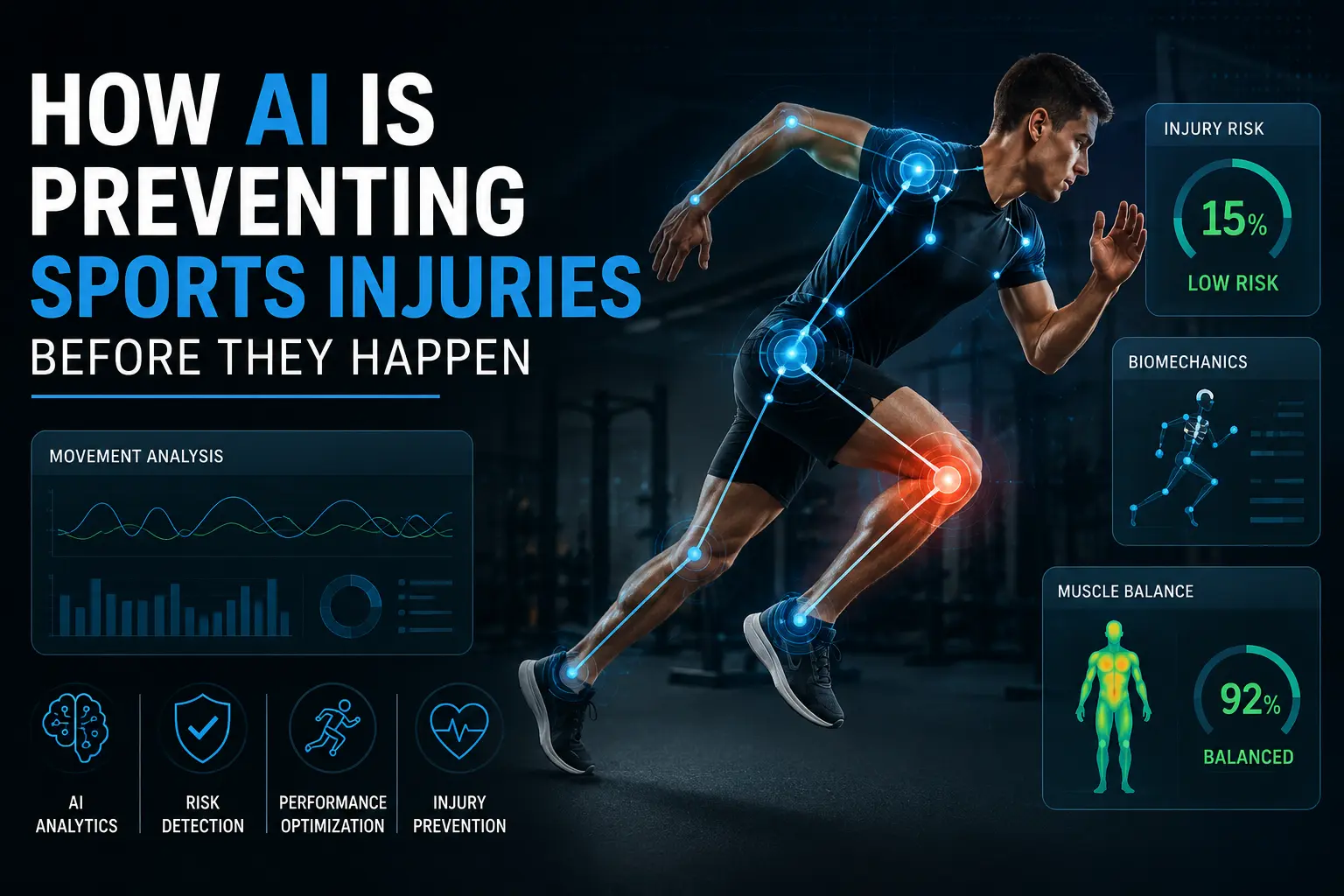
The traditional approach to sports medicine often relies on reacting to injuries after they occur. Today, artificial intelligence is shifting this paradigm, enabling coaches and medical staff to identify and mitigate risks before physical damage takes place. By synthesizing vast amounts of performance data, machine learning models can now predict potential injuries with high precision, allowing for proactive adjustments that keep athletes healthy and on the field.
The Science of Predictive Analytics in Athletics
AI-driven injury prevention functions by continuously analyzing a complex web of variables. Rather than focusing on a single risk factor, these systems evaluate the interplay between an athlete’s physiological state and their external environment. This multi-dimensional approach allows algorithms to detect subtle warning signs that would be invisible to the human eye.
-
Workload Monitoring: Systems track acute and chronic training loads to identify spikes in activity that correlate with fatigue and injury risk.
-
Biomechanical Analysis: Wearable sensors and high-speed cameras capture movement patterns, identifying subtle asymmetries or inefficiencies that often precede ligament or muscle tears.
-
Physiological Tracking: Heart rate variability, oxygen saturation, and recovery metrics are aggregated to provide a real-time snapshot of the body’s readiness for exertion.
-
Environmental Integration: Algorithms incorporate external context, such as travel schedules, weather conditions, and playing surfaces, which can significantly influence physical strain.
-
Pattern Recognition: By processing millions of hours of athletic data, machine learning identifies “signatures” of injury, flagging individuals who exhibit patterns known to lead to specific physical breakdowns.
Integrating AI into Training Workflows
Transitioning from raw data to actionable results requires a systematic approach. Organizations use these three steps to turn AI insights into effective injury mitigation strategies:
-
Data Collection: Wearable devices, motion-capture systems, and health records generate thousands of data points daily, creating a comprehensive profile for each athlete.
-
Risk Forecasting: Pattern recognition algorithms evaluate this data to estimate the probability of injury. These models highlight specific body parts or muscle groups at risk, allowing for highly targeted interventions.
-
Personalized Intervention: Coaches receive recommendations to modify training intensity, adjust recovery protocols, or emphasize specific corrective exercises, ensuring the workload remains within a safe, individual-specific threshold.
The Future of Proactive Health Management
Looking ahead, the integration of generative AI is poised to enhance rehabilitation and training even further. Advanced models can now simulate biomechanical movements, providing athletes with personalized exercise templates that optimize performance while adhering to strict anatomical constraints. These systems effectively function as a digital twin for the athlete, testing different training scenarios in a virtual environment to find the perfect balance between peak performance and safety. By moving toward a model where prevention is as customized as a fingerprint, sports technology is creating a safer future where athletes can push their limits without the constant threat of preventable physical setbacks.
Frequently Asked Questions
1. How accurate are AI injury prediction models?
Accuracy varies based on the quality of data and the specific model used. Recent studies indicate that advanced machine learning architectures can achieve high predictive success by identifying multi-factorial patterns that traditional methods miss.
2. Does AI replace the need for sports trainers?
No. AI acts as a sophisticated decision-support tool. It provides the data and insights necessary for trainers and medical staff to make more informed, timely decisions about an athlete’s health.
3. What types of injuries can AI help prevent?
AI is particularly effective at identifying risks for overuse injuries, muscle strains, and ligament issues like ACL tears. By detecting changes in movement quality or fatigue, it allows staff to intervene before these issues become symptomatic.
4. Can individual athletes use this technology?
While professional teams have the resources for high-end systems, consumer-grade wearables now offer basic versions of this technology, such as tracking heart rate variability and recovery, to help everyday athletes monitor their own health.
5. What is the most important factor in AI injury prevention?
Consistency is vital. Predictive models require a continuous stream of accurate data over time to learn an athlete’s unique baseline. Periodic or inconsistent data monitoring significantly reduces the system’s ability to spot anomalies.






Leave a Reply