


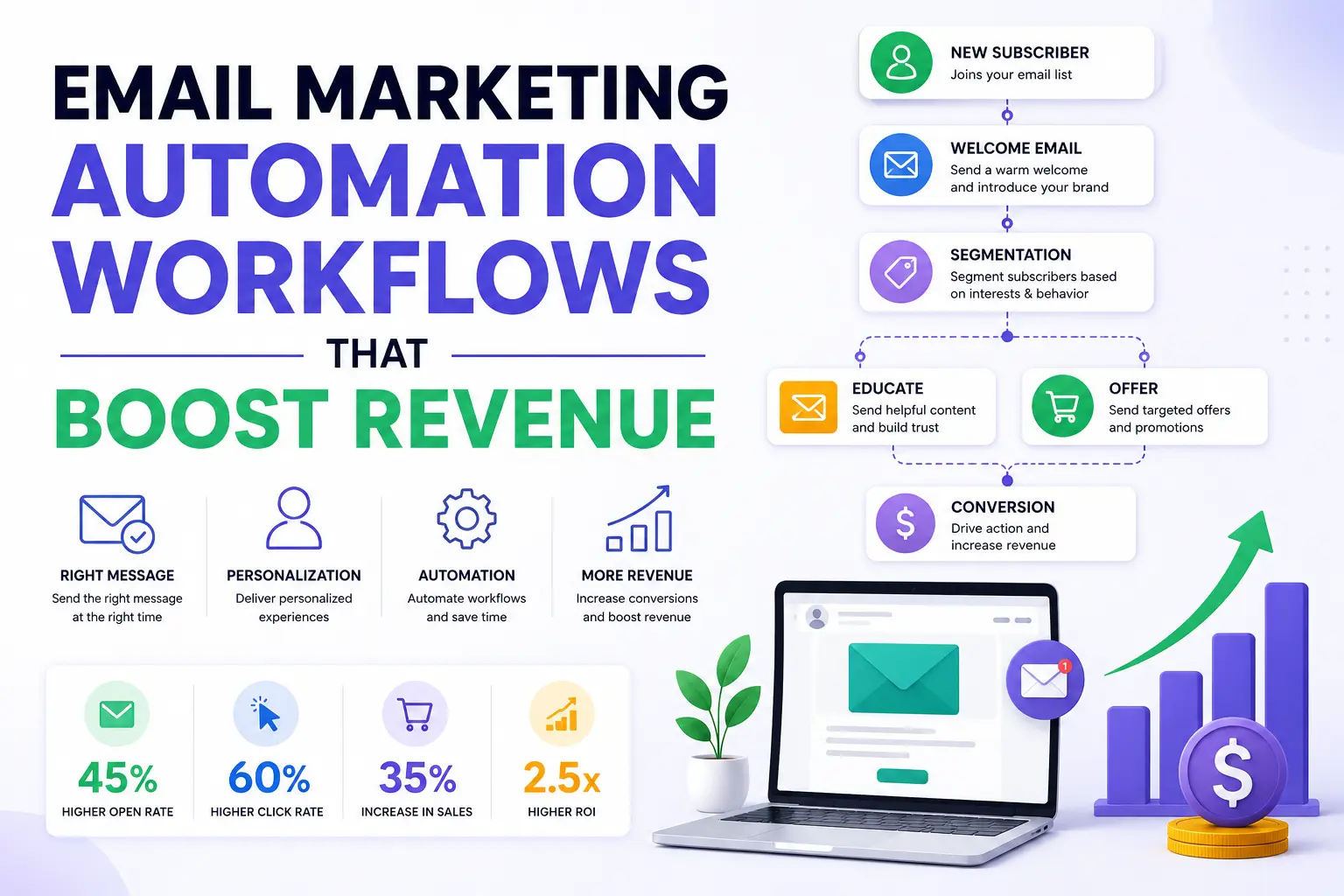
Email automation transforms static mailing lists into dynamic revenue engines. Instead of sending generic newsletters, businesses use automated workflows to trigger personalized messages based on specific user actions, intent, or timing. This approach delivers relevant content exactly when a customer is most likely to engage, significantly increasing conversion rates and lifetime value.
High-Impact Automated Sequences
Effective automation relies on identifying the critical touchpoints in the customer journey. When you align your messaging with the user’s current behavior, you minimize unsubscribes and maximize clicks. The following workflows are essential for any business aiming to scale revenue through targeted communication.
-
The Targeted Welcome Flow: A series of emails that introduces your brand, establishes authority, and offers an immediate incentive. This flow sets the tone for your relationship and starts the conversion process early.
-
Behavioral Abandoned Cart Sequences: These messages trigger when a user adds items to a cart but does not complete the purchase. High-performing versions include product reminders, social proof, and a gentle urgency-driven nudge.
-
Post-Purchase Upsell Flows: After a customer buys, automate a follow-up that suggests complementary products or accessories. This increases the average order value by capitalizing on the customer’s current enthusiasm for your brand.
-
Win-Back Campaigns: Automatically identify subscribers who have not engaged in a set period. Send a “we miss you” message with an exclusive offer to re-activate their interest before they churn.
-
Milestone and Birthday Automations: Recognizing specific events like sign-up anniversaries or personal birthdays creates a sense of connection, often rewarded by loyal customers with repeat purchases.
Architecting Workflow Logic for Conversion
Building an automation workflow is more than just setting up triggers; it requires a strategy for segmentation and testing. To drive consistent results, implement the following tactical steps within your email platform.
-
Define Clear Conversion Goals: Every automated email should serve a purpose, such as driving a sale, collecting feedback, or directing traffic to a blog post. If an email doesn’t move the subscriber toward a goal, remove it.
-
Segment Based on Engagement: Group your subscribers by how they interact with your emails. Treat highly active users differently from infrequent openers by adjusting the frequency and tone of your messaging.
-
Optimize for Mobile Viewing: The vast majority of emails are read on mobile devices. Use simple, single-column layouts and ensure your call-to-action buttons are easy to tap.
-
A/B Test Subject Lines: Continuously test different subject line variations to improve your open rates. Small adjustments to phrasing or emojis can lead to significant jumps in total engagement.
-
Clean Your List Regularly: Automation requires a healthy database. Periodically prune inactive subscribers to improve deliverability and ensure you are not paying to send messages to disinterested parties.
Refining Performance Through Iterative Analysis
Automation is not a static task; it is an iterative cycle of optimization. To maintain revenue growth, dedicate time each month to review your workflow analytics. Look for bottlenecks where drop-off rates are high—such as a specific email in a sequence that fails to drive clicks—and redesign those elements. By integrating feedback loops where customer support inquiries or purchase patterns inform your email content, you create a system that becomes smarter and more profitable over time. This data-backed refinement ensures that your email strategy stays aligned with changing customer needs and market trends.
Conclusion
Well-structured email automation bridges the gap between customer interest and final purchase. By automating personalized touchpoints throughout the buyer’s journey, you ensure consistent communication without manual intervention. Success comes from testing, segmenting, and constantly refining your sequences to provide genuine value to your subscribers.
Frequently Asked Questions
1. How many emails should be in a welcome flow? Three to five emails is usually ideal. The first delivers the promised incentive, the second builds trust, and the third provides a strong call to action to purchase.
2. Is it better to send daily or weekly emails? Frequency should be determined by your audience’s preferences. Start with a consistent cadence and allow subscribers to choose their preferred frequency through a preference center.
3. What is the most important metric to watch? Conversion rate is the ultimate indicator of success, but keep a close eye on click-through rates, as they reveal whether your content is truly relevant to your readers.
4. Can automation feel too robotic? To avoid a robotic feel, use personalized fields, write in a conversational tone, and include stories or relatable advice rather than just sales-heavy promotional copy.
5. How do I prevent my automated emails from going to spam? Maintain a clean list, authenticate your domain, and ensure that your content provides genuine value so that subscribers actively engage with your emails, which signals trust to inbox providers.



Leave a Reply