


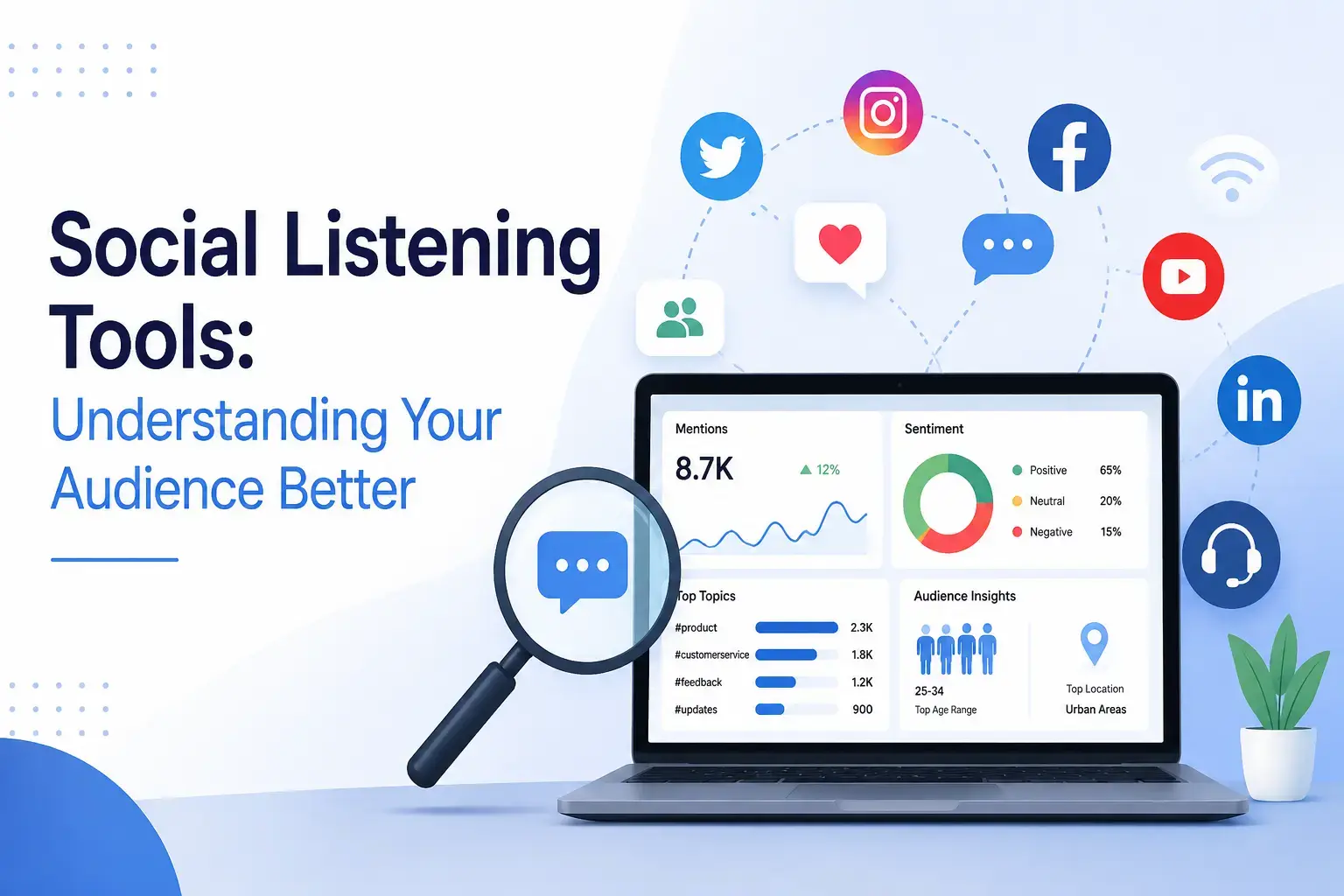
Social listening goes beyond simply tracking mentions of your brand name. It involves monitoring digital conversations to grasp the sentiment, trends, and pain points that define your audience’s experience. By utilizing specialized tools, businesses can transform vast amounts of social data into actionable insights that inform product development, marketing campaigns, and customer support strategies.
Identifying Trends and Sentiment
Modern social listening tools provide a window into how customers perceive your brand and the broader industry. Instead of reacting to individual complaints, you can identify patterns in feedback, allowing you to address systemic issues before they escalate. These tools filter through millions of posts to highlight what matters most to your niche.
-
Sentiment Analysis: Automated systems categorize mentions as positive, negative, or neutral, helping you gauge the overall health of your brand reputation in real-time.
-
Trend Spotting: Track the rise of specific topics, hashtags, or consumer needs within your sector to stay ahead of competitors and align your messaging with current interests.
-
Competitor Benchmarking: Observe how your audience discusses competitors, revealing gaps in their offerings that you can exploit with your own marketing efforts.
-
Influencer Identification: Discover which voices within your community carry the most weight, enabling you to build authentic partnerships with creators who already align with your brand values.
-
Crisis Detection: Receive instant alerts for spikes in negative sentiment, allowing your team to respond to potential public relations issues before they spread.
Strategic Application of Social Insights
Collecting data is only the first step. To derive true value, you must integrate these insights into your existing workflows. The following steps outline how to move from observation to strategic implementation.
-
Define Core Keywords: Set up monitors not just for your brand name, but for common industry problems, competitor products, and relevant pain-point phrases.
-
Establish a Response Protocol: Create a clear process for how different types of feedback are handled, ensuring that urgent product concerns reach the technical team while general sentiment data goes to marketing.
-
Cross-Reference Data: Compare social listening findings with your internal customer support tickets to see if the issues raised online match the problems being reported directly to your help desk.
-
Tailor Content Strategy: Use the language and questions your audience uses in social forums to create blog posts, videos, and guides that directly answer their most frequent queries.
-
Refine Product Roadmaps: Share recurring feature requests or functionality complaints found through social monitoring with your product developers to ensure future updates solve genuine user frustrations.
Turning Observation into Long-Term Loyalty
The ultimate goal of social listening is to shift from a broadcasting mindset to a listening one. Customers today value brands that show they are paying attention. When you use social insights to make meaningful changes—whether by simplifying a checkout process, launching a requested feature, or adopting the tone of voice your audience prefers—you build lasting trust. This iterative approach to customer understanding makes your brand appear more human and attentive. It changes the nature of your digital presence from a source of noise into a valued participant in your customers’ lives, driving both loyalty and organic advocacy.
Conclusion
Social listening tools provide the clarity needed to navigate a crowded digital marketplace. By observing the authentic concerns and interests of your audience, you can create a brand experience that is both relevant and responsive. Start by choosing a tool that aligns with your volume of data and focus on making incremental improvements based on what you learn.
Frequently Asked Questions
1. Is social listening the same as social monitoring? Social monitoring tracks specific mentions and direct interactions, while social listening analyzes the broader trends, sentiment, and intent behind those conversations to inform long-term strategy.
2. How do I choose the right tool for my business? Look for tools that offer the sentiment analysis depth you need and ensure they cover the specific platforms where your target audience is most active.
3. How often should I review social listening data? High-growth brands should check in daily for urgent alerts, while a deeper, strategic review of trends and sentiment should occur at least monthly to inform content planning.
4. Can social listening help with B2B marketing? Yes. For B2B, it helps identify industry-specific pain points, track competitor innovations, and discover what types of content potential decision-makers are currently consuming.
5. What is the most important metric in social listening? While volume and sentiment are useful, “share of voice” compared to your competitors is a key indicator of your brand’s actual influence and authority within the market.





Leave a Reply