


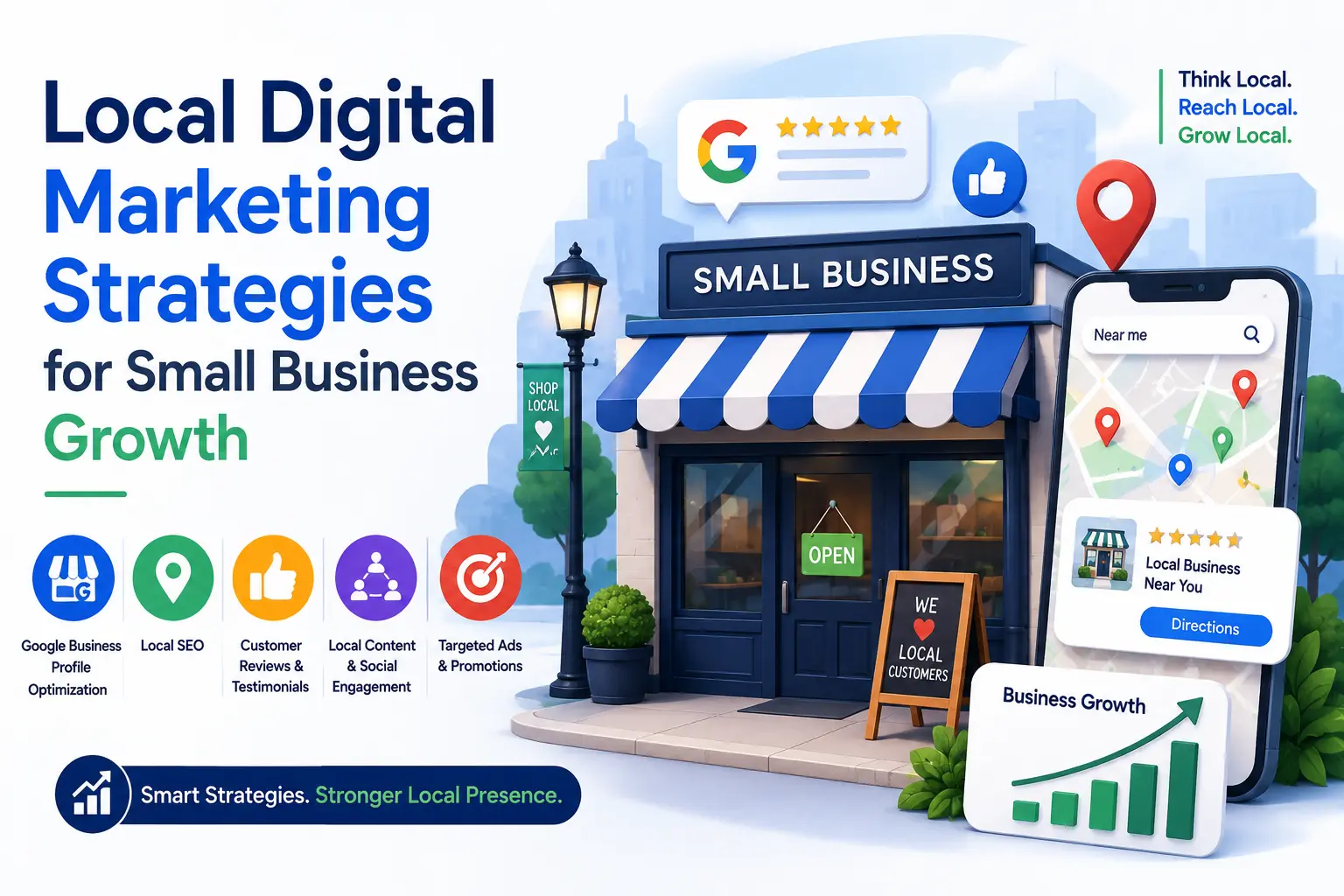
For small businesses, the digital landscape offers a level playing field where agility and local focus often outperform massive marketing budgets. Growth today relies on being visible where your customers are already looking—specifically in their local search results and on the platforms they use to discover services. By shifting from broad, generic outreach to hyper-targeted local engagement, you can build a sustainable, loyal customer base.
Strengthening Your Local Search Foundation
Local search visibility is the primary engine for foot traffic and service inquiries. When someone searches for a business “near me,” Google prioritizes results that are accurate, relevant, and trustworthy. Mastering this requires more than just a website; it demands a proactive approach to your business data.
-
Google Business Profile Mastery: Claim and fully populate your profile. Include high-quality imagery, accurate business hours, and a precise description of your services. Regularly post updates, offers, or event information to signal that your business is active and engaged.
-
NAP Consistency: Ensure your Name, Address, and Phone number (NAP) are identical across your website, social media, and local directory listings. Inconsistencies confuse search engines and erode the trust signals required for high rankings.
-
Review Management: Actively encourage satisfied customers to leave reviews and respond to every piece of feedback. Authentic, recent reviews act as a powerful trust indicator for new customers and a key ranking factor for search algorithms.
-
Hyper-Local Content: Publish content that addresses neighborhood-specific interests, such as local events, community news, or guides that solve problems relevant to your service area.
-
Mobile Usability: Since local searches are primarily conducted on smartphones, ensure your website features fast loading times, click-to-call buttons, and responsive design that makes navigation effortless on small screens.
Tactical Steps for Immediate Local Impact
Beyond foundational SEO, small businesses can utilize targeted tactics to capture high-intent traffic. These steps move beyond simple visibility and focus on converting visitors into paying clients.
-
Dedicated Location Pages: If you serve multiple areas, create unique landing pages for each. Populate these pages with local landmarks, specific service details for that community, and area-specific testimonials.
-
Intent-Based Keyword Targeting: Focus on long-tail keywords that include your city or neighborhood. Instead of targeting generic terms like “plumber,” optimize for “emergency plumbing services in [Neighborhood Name].”
-
Strategic Local Citations: List your business on reputable platforms and industry-specific directories. Ensure these listings are categorized correctly and kept up to date to maintain authority.
-
Local PPC Campaigns: For immediate visibility, run small-budget, geo-fenced advertisements. Target an audience within a 10–15 kilometer radius to ensure your ads are shown only to people who can realistically use your services.
-
Community Engagement: Partner with other local businesses for cross-promotion or sponsor neighborhood events. These real-world activities often lead to high-quality local backlinks that significantly boost your site’s domain authority.
Scaling Growth Through Personalization
The ultimate goal of local digital marketing is to turn one-time shoppers into long-term advocates. Once you have captured local attention, use personalization to deepen those relationships. Automated email nurturing—such as sending personalized reminders, birthday offers, or helpful tips—keeps your brand top-of-mind. Use the data gathered from your local interactions to refine your messaging, ensuring that every touchpoint feels relevant and human. By focusing on genuine value rather than just transactional sales, you create a loyal community that sustains growth naturally over time.
Conclusion
Small business success in the digital age is built on the foundation of local relevance and consistent engagement. By optimizing your Google Business Profile, maintaining data accuracy, and focusing on community-centered content, you can dominate your local search results and drive consistent growth. Start by mastering one or two channels, then scale your efforts as you measure what resonates most with your unique audience.
Frequently Asked Questions
1. Do I need a website if I have a strong social media presence?
Yes. While social media is great for engagement, a website is your digital storefront that you own. It provides credibility, houses your SEO foundation, and allows you to capture leads independently of platform algorithms.
2. How long does local SEO take to show results?
Local SEO is a long-term strategy. While some optimizations (like updating your Google Business Profile) can provide quick boosts, consistent rankings and organic traffic growth typically take three to six months of dedicated effort.
3. What is the most effective way to ask for customer reviews?
Make it frictionless. Send a direct link to your Google review page via email or SMS immediately after a positive service experience, and keep the request personal.
4. Can I handle local marketing without an agency?
Absolutely. Many small business owners manage their own presence using free tools like Google Business Profile, social media, and basic website builders. You only need to invest in tools or services when you are ready to scale.
5. How do I know if my local digital marketing is working?
Monitor metrics like “direction requests” and “phone calls” directly from your Google Business Profile, track form submissions on your website, and watch for increases in organic search traffic from your target locations.





Leave a Reply