


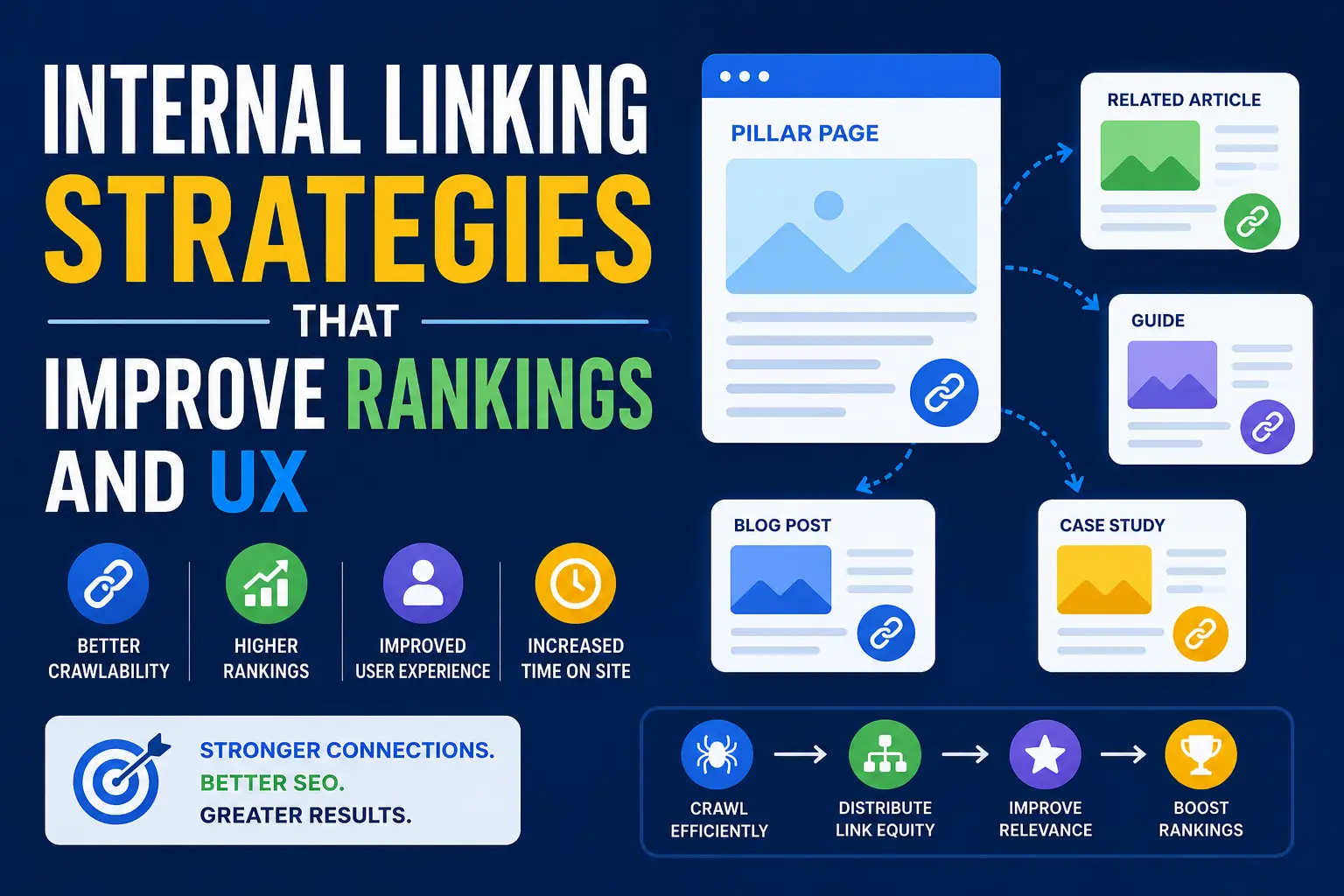
Internal linking is the structural blueprint of your website. By strategically connecting relevant pages, you help search engines discover your content while guiding human visitors through a logical journey. A well-executed linking plan distributes authority across your domain, ensuring that your most valuable resources receive the attention they deserve.
Structuring Content for Discovery and Authority
A robust internal link architecture functions like a map for search crawlers. When you link from high-authority pages to deeper, more specialized content, you pass on “link equity,” which helps those secondary pages rank higher. This process also builds topical authority, signaling that your site is a comprehensive resource for specific subjects.
-
Topical Clustering: Group related articles around a core “pillar” page. This hub-and-spoke model signals to search engines that your site has depth and expertise on a given subject.
-
Contextual Relevance: Links should only be placed where they add value to the reader. Use descriptive anchor text that hints at the destination’s content, helping users anticipate where a link will take them.
-
Navigation Hierarchy: Ensure your primary menu reflects the most important sections of your site. This simple, consistent structure helps both crawlers and users understand your site’s priorities.
-
Depth Management: Aim for a “three-click rule,” where any important page on your site is reachable within three clicks from the homepage. This keeps your most essential content easily accessible.
-
Breadcrumb Optimization: Use breadcrumb navigation to provide a clear path back to higher-level categories. This is particularly effective for complex sites with deep category structures.
Implementing Tactical Linking Workflows
Effective linking is not just about quantity; it is about precision. Integrating these tactics into your content workflow ensures that every link serves a distinct purpose in your site’s overall growth.
-
Audit Existing Content: Identify pages that currently rank well on search engines and review them for opportunities to link to newer, related articles that need an authority boost.
-
Optimize Anchor Text: Avoid overly repetitive or “stuffed” keywords. Use natural language that describes the destination page, as this provides a better user experience and better context for search crawlers.
-
Prioritize User Journey: Place links where the reader is most likely to need more information. For example, if you mention a complex concept, link to a detailed guide on that specific topic to resolve the reader’s immediate need.
-
Remove Broken Connections: Regularly scan for and fix 404 errors or redirected links. A site filled with dead ends frustrates users and diminishes the perceived reliability of your content.
-
Utilize Sidebar and Footer Opportunities: Reserve these spaces for “evergreen” or “must-read” content that remains relevant regardless of the specific page a user is viewing.
Balancing Technical SEO with Human Needs
The most effective internal linking strategy balances technical optimization with the genuine intent of the user. While you want to pass equity to specific pages, you must never sacrifice the readability of your content for the sake of an algorithm. An over-linked page can feel cluttered, distracting the reader from your core message. Instead, focus on links that act as helpful bridges. When you prioritize the user’s need for further clarity or related solutions, you inherently create a site structure that search engines can easily parse and reward. This synergy between human convenience and machine clarity is the foundation of sustainable search performance.
Conclusion
Internal linking is an ongoing process of refining your site’s connectivity. By consistently mapping your content and updating links as your site grows, you create a digital environment that rewards both visitors and search engines. Focus on creating value-driven paths, and your search rankings will naturally follow as your site becomes more authoritative and easier to navigate.
Frequently Asked Questions
1. Is there an ideal number of links per page? There is no “magic number.” The correct amount is whatever is helpful to the reader. If a page has 50 links, it becomes overwhelming. If it has zero, you’ve missed an opportunity to guide the reader further.
2. Should I link to my homepage from every article? Only if it is contextually relevant. Linking to your homepage in every paragraph is considered unnatural. Link to it only when it makes sense for the user to return to your primary hub.
3. Does anchor text still matter? Yes. It provides context to search engines about what the destination page is about. Keep it descriptive, concise, and natural to the flow of the sentence.
4. How often should I audit my internal links? Perform a basic internal link audit every few months. Look for broken links, identify high-traffic pages that lack outbound internal links, and ensure your site’s navigation still reflects your current goals.
5. Can internal linking fix a low-quality page? No. Internal linking distributes authority, but it does not create it. If a page provides poor user value, adding links to it will not improve its long-term ranking potential.





Leave a Reply