


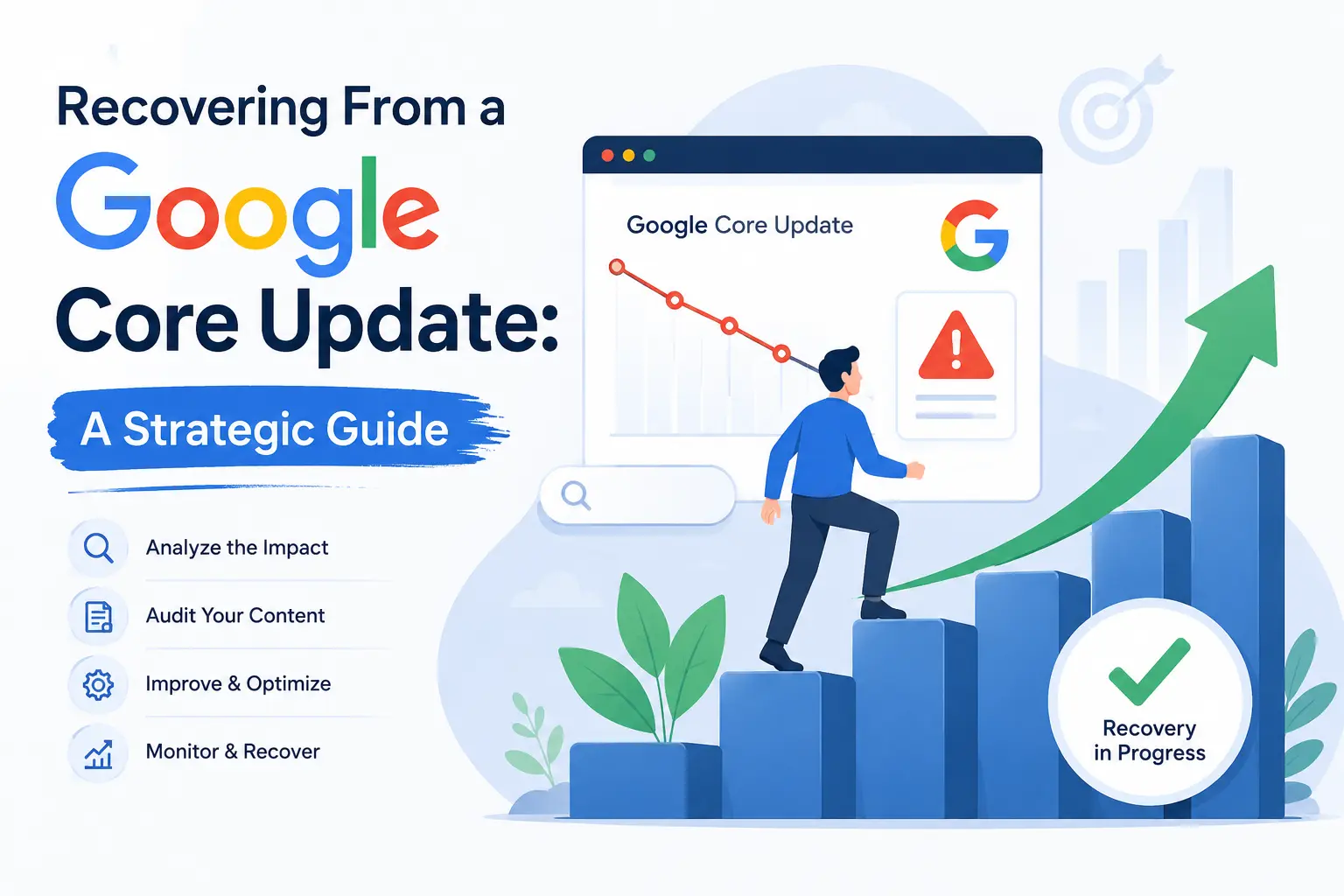
A dip in search rankings following a Google core update is often misunderstood as a penalty. In reality, these updates are routine algorithmic recalibrations designed to better align search results with what users find most helpful. If your site experienced a traffic loss, it is a signal that your content currently underperforms compared to newer or more relevant alternatives in the eyes of Google’s evaluation systems. Recovery is not about “tricking” the algorithm but about systematically elevating your site’s quality and demonstrating clear, human-centered authority.
Diagnosing the Impact of an Update
Before taking corrective action, you must determine whether the drop was caused by the core update or other factors. Panic-driven changes often backfire, so prioritize data-driven diagnosis first.
-
Confirm Rollout Completion: Check the official search status dashboard to ensure the update has finished rolling out. Rankings often fluctuate significantly while an update is live, so wait until they stabilize.
-
Segment Your Data: Use your search analytics dashboard to pinpoint specific pages and query clusters that lost traffic. If the decline is sitewide, the update has likely reassessed your domain’s overall topical authority.
-
Evaluate Competitor Gains: Analyze the pages that now rank where you previously did. Determine what value they provide—such as fresher data, unique research, or clearer formatting—that your content lacks.
-
Distinguish Technical vs. Content Issues: Check for recent technical changes or site errors that might coincide with the traffic drop, as sometimes a performance issue is misidentified as an algorithmic demotion.
Rebuilding Trust Through E-E-A-T
Google’s core systems heavily weigh Experience, Expertise, Authoritativeness, and Trustworthiness (E-E-A-T). To recover, you must prove that your site is a reliable source by showcasing real-world engagement and subject-matter depth.
-
Infuse First-Hand Experience: Move away from derivative content that merely summarizes what others have said. Integrate original data, personal anecdotes, case studies, and custom visuals that prove you have actually engaged with the topic.
-
Highlight Authoritative Byline Credentials: Ensure every piece of content has a visible byline linked to a detailed author profile. Include professional certifications, educational background, and links to external industry profiles to establish the author’s legitimacy.
-
Audit for “Helpfulness”: Conduct a rigorous content audit. Pages that offer no unique value, are excessively thin, or are outdated can drag down your entire domain’s quality score. Either improve these pages with deep, actionable insights or retire them.
-
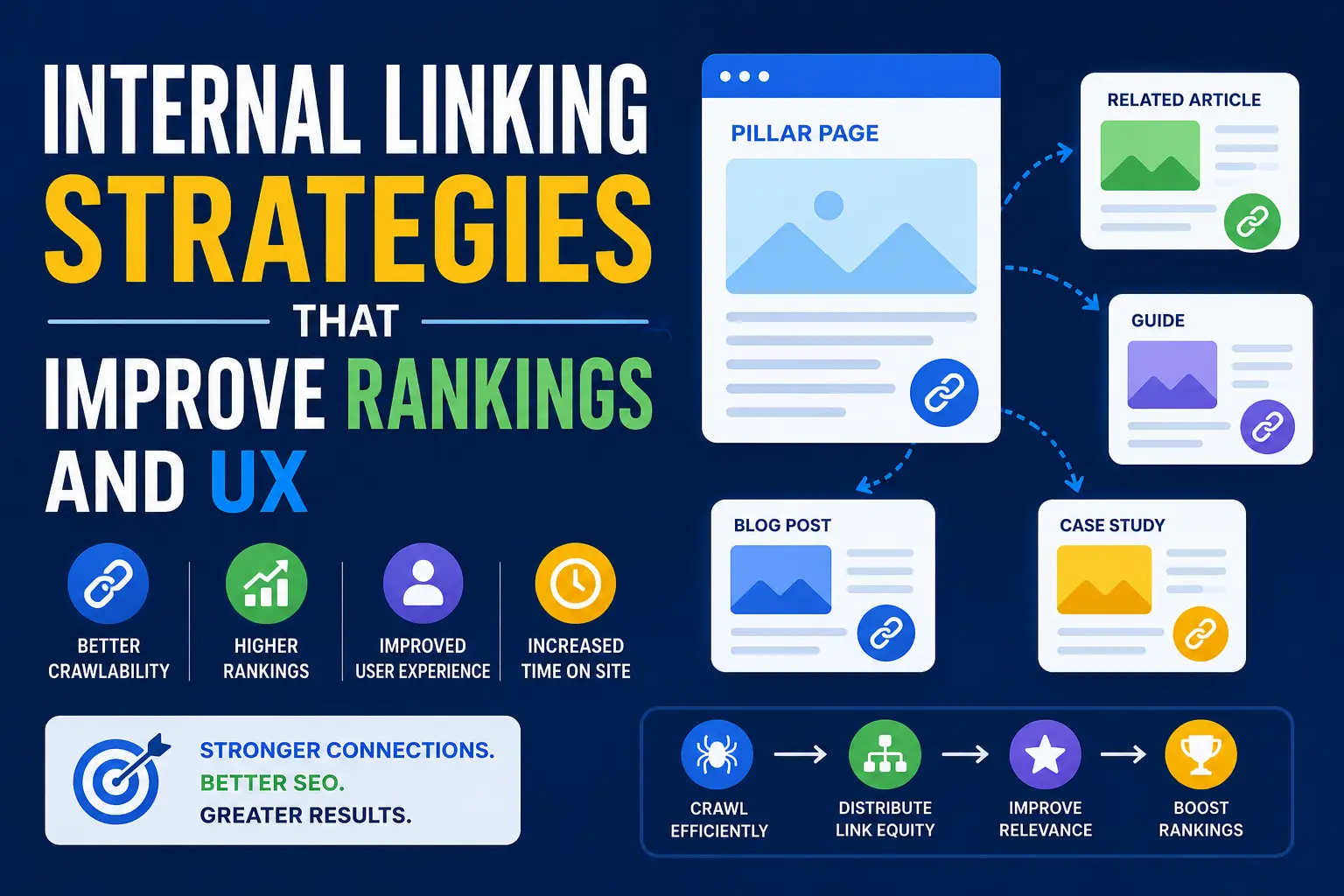
Strengthen Topical Authority: Instead of chasing random keywords, build comprehensive resource hubs. Link your related articles logically to show Google that your site is a deep repository of knowledge on a specific subject.
-
Technical and User Experience Polish: While content is king, technical foundations like loading speed and mobile responsiveness are non-negotiable. Ensure your site provides a seamless experience, as Google prioritizes pages that are easy to navigate.
Building Long-Term Algorithmic Resilience
Recovery is a gradual process that usually takes several months. Because Google’s systems need time to recrawl your site and observe consistent improvements in user satisfaction, there are no instant fixes. Focus on creating a site that solves user problems so effectively that it earns natural, unsolicited citations from others. By aligning your business goals with the goal of being genuinely helpful to your audience, you create a feedback loop of trust that makes your site increasingly resilient to future algorithm shifts.
Frequently Asked Questions
1. Is a ranking drop from a core update a permanent penalty?
No. It is an algorithmic adjustment. You can regain your previous rankings—or even surpass them—by improving your content quality and better aligning with current user intent.
2. How long does the recovery process usually take?
Recovery typically occurs over three to six months. This allows Google’s systems enough time to process your improvements and observe how users interact with your updated pages.
3. Should I delete content that lost traffic?
Only remove pages if they are genuinely thin, duplicate, or irrelevant. If a page has potential, focus on updating it with unique insights, fresh data, and a stronger perspective rather than deleting it.
4. What is the biggest mistake made during recovery?
The biggest mistake is panic-driven, site-wide “optimizations” like mass-replacing content with AI-generated text. This rarely works and often further diminishes your site’s perceived authority.
5. How can I prove my “Experience” to Google?
Share evidence of real-world application. Use custom-taken photos, document your specific methodology, or provide detailed case studies that show you have hands-on knowledge of the subject.





Leave a Reply