


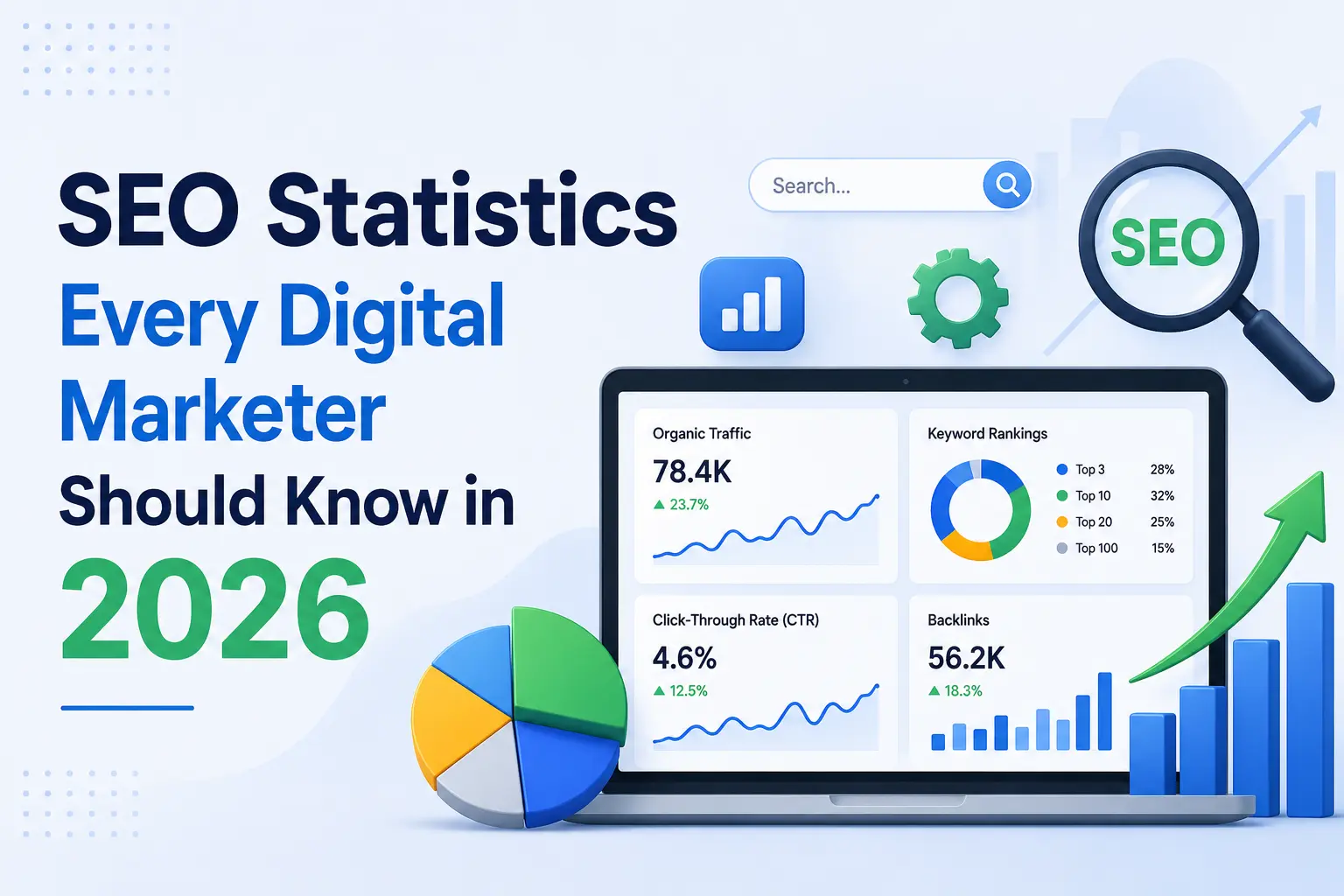
The search landscape in 2026 has moved beyond simple blue links. With the integration of AI-generated summaries and the increasing importance of authoritative brand signals, digital marketing requires a more nuanced approach. Understanding the current data helps you focus on strategies that actually drive results rather than chasing outdated vanity metrics.
The Shift in Search Behavior and AI Integration
Search is no longer a linear path from query to website click. Modern users often begin their discovery in AI-driven interfaces before validating information through traditional search engines, social platforms, and community forums.
-
The AI Impact: Roughly 4% to 12% of search queries now trigger an AI Overview, fundamentally changing how users interact with search engine results pages (SERPs).
-
The Zero-Click Reality: Up to 60% of searches may conclude without a click-through to a website, as AI systems synthesize answers directly on the results page.
-
Platform Fragmentation: While Google retains a dominant market share, users increasingly use multiple platforms, including YouTube, Reddit, and TikTok, to validate information and find social proof.
-
Voice Search Prevalence: Over 150 million people in the U.S. now use voice assistants, making conversational, intent-based keywords more critical than ever.
-
Video Dominance: Videos perform exceptionally well on contact and media pages, with engagement rates reaching up to 50% for embedded multimedia content.
Key Performance Indicators for a New Era
Success in 2026 is measured by influence and authority rather than just raw traffic volume. The most effective strategies track how content contributes to the broader customer journey, from initial discovery to final decision.
-
Prioritize Visibility Outcomes: Move beyond tracking keyword rankings. Instead, measure brand-led search growth, newsletter signups, and demo requests influenced by your content.
-
Focus on Citations: In an AI-driven environment, earning a citation within an AI-generated summary is a high-value metric. Monitor how often your brand or specific content assets are referenced as credible sources.
-
Monitor Assisted Conversions: Attribute revenue to all touchpoints, including those where a user interacted with AI-generated content before arriving at your site.
-
Track Topical Authority: Instead of optimizing for individual keywords, track your brand’s overall search coverage for specific industry topics to ensure you are seen as the primary entity for your niche.
-
Evaluate Engagement Depth: Use metrics like time-on-page and newsletter conversion rates to determine if your content is genuinely serving the user’s “jobs-to-be-done” rather than just drawing a quick click.
Strategies to Future-Proof Your Content
Content marketing is no longer about publishing volume. It is about establishing credibility that machines can recognize and users can trust. Human expertise, backed by verifiable experience, is the most stable competitive advantage in an AI-crowded web.
-
Build Trust Ecosystems: Connect your website to social proof on podcasts, third-party reviews, and credible industry mentions.
-
Implement E-E-A-T 2.0: Clearly showcase your team’s expertise through detailed author bios, certifications, and links to professional profiles.
-
Focus on First-Hand Experience: AI can summarize existing knowledge, but it cannot replicate unique experiences. Share real-world case studies, proprietary research, and individual insights to earn citations.
-
Optimize for Extractability: Use clear headings, direct answers, and structured data to make your content easy for AI systems to parse and verify.
Conclusion
SEO in 2026 is a balancing act of human authenticity and technical precision. By prioritizing authority, focusing on the entire user journey, and tracking outcomes rather than just clicks, you can ensure your brand remains a primary source of truth. As AI continues to evolve, the brands that win will be those that provide clear, verifiable, and highly relevant insights that human users and AI systems alike can rely on.
Frequently Asked Questions
1. Is SEO dead because of AI search?
Far from it. While the way people find information is changing, the fundamental need to match search intent with authoritative, high-quality content remains the cornerstone of digital marketing.
2. Should I stop optimizing for Google?
No. Google still commands the vast majority of search traffic. Focus on Google as your primary channel while simultaneously building a presence on platforms where your audience is already validating their decisions, such as YouTube or Reddit.
3. What is the most important ranking factor in 2026?
Experience, Expertise, Authoritativeness, and Trustworthiness (E-E-A-T) have become the most critical signals. Brands that build social proof and verifiable reputation win more often than those focusing solely on technical on-page tactics.
4. How can I optimize for AI Overviews?
Focus on “answer-first” content. Structure your articles with direct, concise answers to common questions and provide context-rich data that is easy for AI systems to extract and cite.
5. Are blogs still effective for SEO?
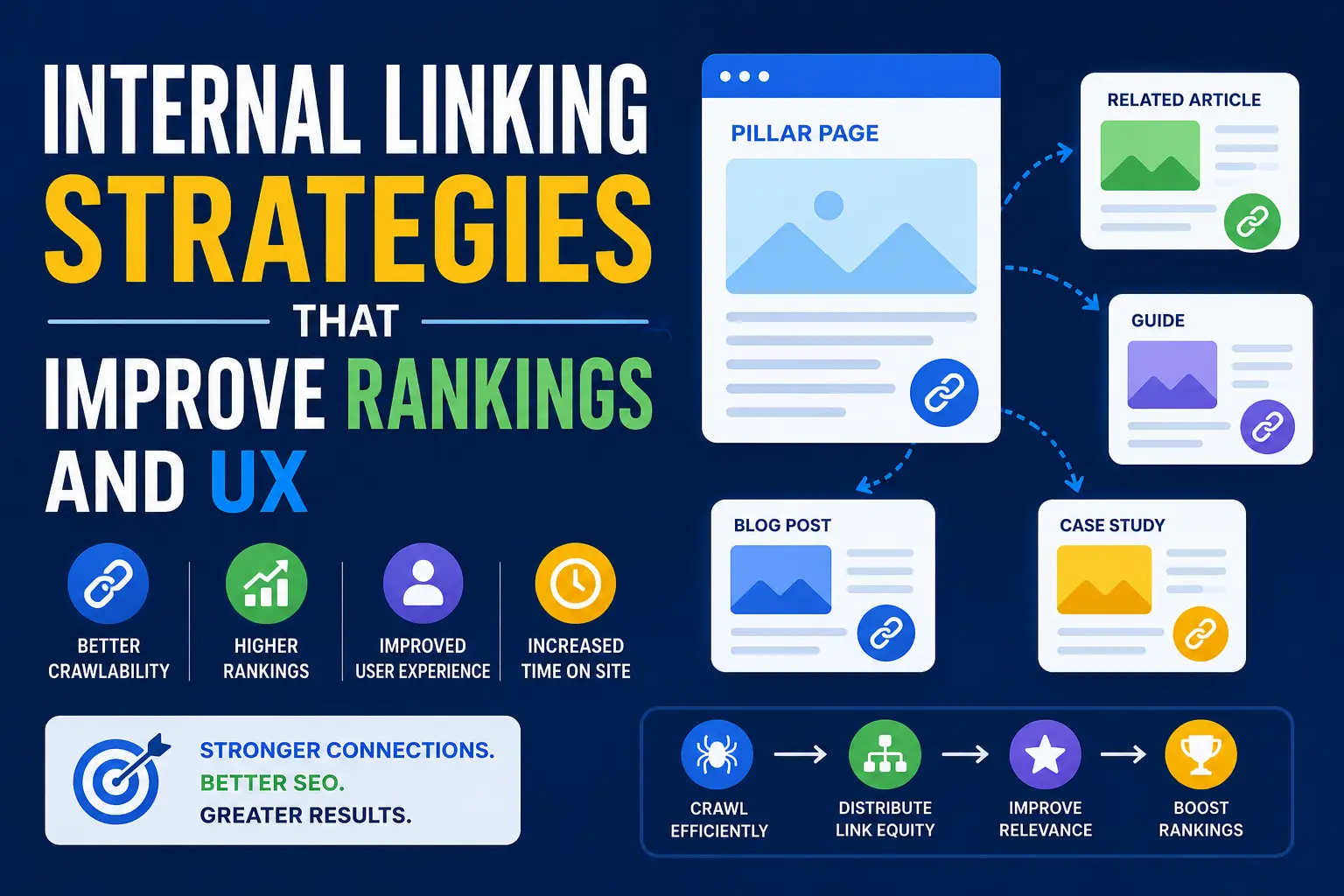
Yes, but they work best as “multi-format hubs.” A high-performing blog post in 2026 should include embedded video, original images, and internal links to other content that demonstrates topical authority.




Leave a Reply