


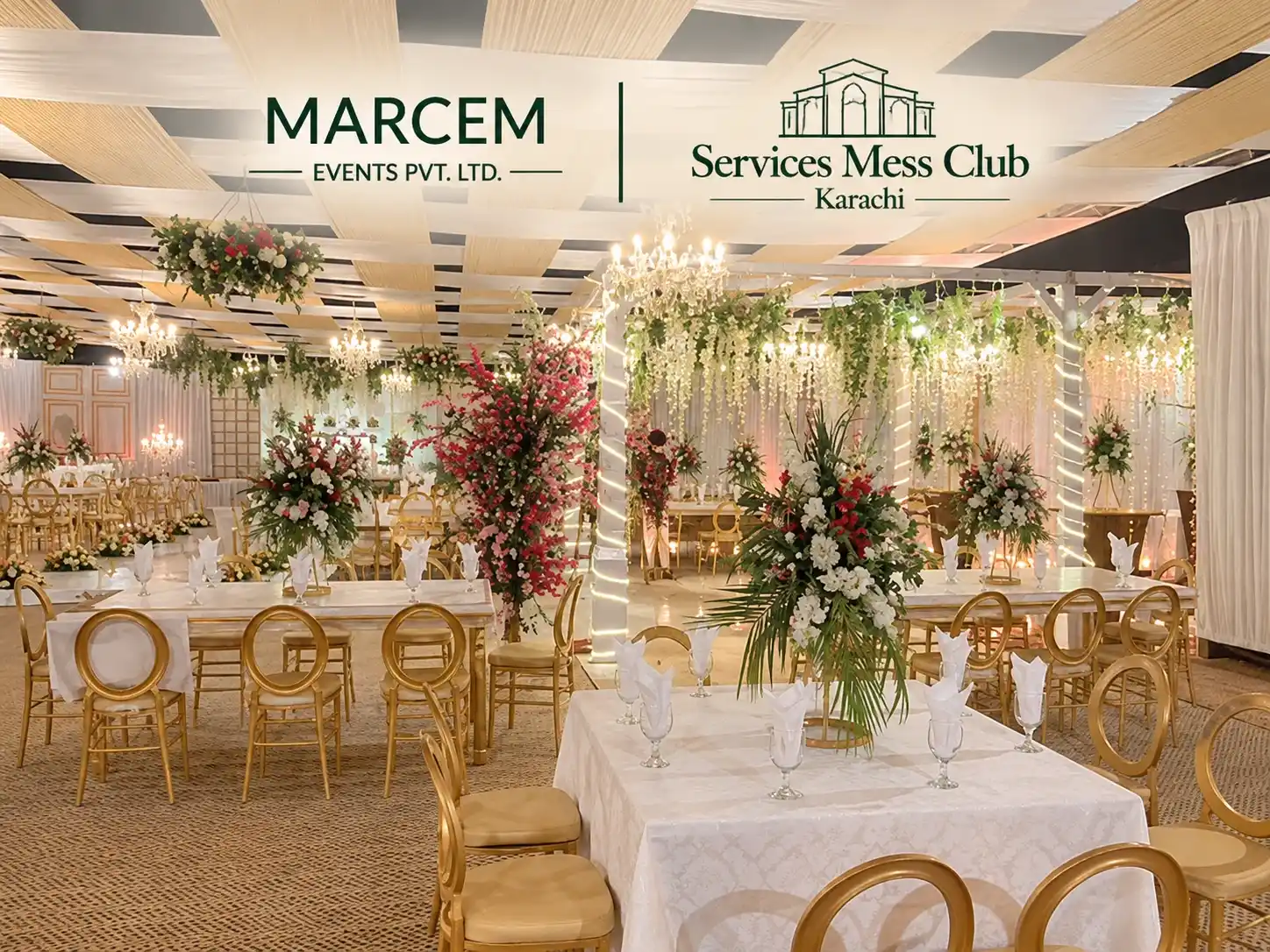
Planning an event involves several decisions that influence its cost, organization and overall guest experience. Whether an organization is arranging a business dinner, a formal gathering or a private celebration, having a clear plan can make the preparation process considerably easier.
One of the most important parts of event preparation is understanding how different requirements fit into the available budget. Venue arrangements, catering, decoration, technical production and guest management all contribute to the final event experience.
For people researching Services Mess Club, understanding these planning considerations can help them evaluate their requirements before making venue and service arrangements.
The Importance of Budget Planning for an Event
A realistic event budget provides a financial framework for the entire occasion. It helps organizers identify priorities, compare service providers and avoid unnecessary expenses.
Rather than allocating the budget to only one requirement, organizers should divide it into practical categories.
Some common event expenses include:
- Venue booking and applicable charges
- Food and beverage arrangements
- Stage and backdrop production
- Floral decoration and event styling
- Audio and visual equipment
- Guest reception and registration
- Photography and videography
- Event staffing and coordination
The allocation will depend on the event’s size, purpose and specific requirements.
When exploring Services Mess Club Karachi, organizers should first confirm the applicable booking charges and available facilities directly with the venue management. This information can help establish which additional services need to be arranged separately.
How to Establish an Event Budget
Preparing a budget should begin before suppliers are contacted or services are finalized.
Identify the Main Event Requirements
Start by identifying the essential elements of the occasion.
For a corporate dinner, catering and guest seating may be major priorities. A business presentation may require more investment in audiovisual equipment and technical support.
Understanding these differences helps prevent spending on services that do not contribute meaningfully to the event.
Separate Essential and Optional Expenses
Not every event requires elaborate decoration, entertainment or extensive production.
Organizers should distinguish between services that are necessary and those that are optional.
For example, a professional meeting may require presentation equipment and refreshments but not a large stage installation.
Obtain Supplier Quotations
Request quotations from relevant suppliers and compare what each package includes.
The comparison should consider service quality, equipment specifications, staffing, setup arrangements and additional charges.
Keep a Contingency Allowance
Unexpected requirements can arise during event preparation.
Maintaining a contingency allowance helps organizers handle additional expenses without disrupting the main budget.
Creating a Positive Guest Experience
An event is ultimately experienced by the people attending it. Therefore, guest convenience should remain an important part of the planning process.
Several small details can influence how attendees experience an occasion.
Organized Guest Arrival
The arrival process should be simple and clearly coordinated.
For larger gatherings, organizers may consider invitation verification, registration desks and designated reception staff.
Comfortable Seating
Seating arrangements should reflect the event format and expected attendance.
Business meetings, formal dinners and social celebrations each require different layouts.
The final arrangement must be compatible with the venue’s permitted capacity and approved floor plan.
Appropriate Food Service
Catering should be planned around the event schedule and guest requirements.
Organizers should confirm the available menu options, serving arrangements and dietary considerations before finalizing catering.
Clear Event Communication
Guests should receive relevant information before attending.
Depending on the occasion, this may include event timings, access instructions, dress requirements and programme details.
Selecting Services Mess Club for Event Research
When considering Services Mess In Karachi, organizers should evaluate the venue according to their specific requirements rather than making assumptions about available services.
The venue selection process should include several important checks.
Booking availability: Confirm whether the desired date and time are available.
Event suitability: Establish whether the intended occasion is permitted.
Facilities: Ask about seating, dining, technical equipment and other relevant facilities.
Catering: Confirm whether catering is provided and whether external suppliers are allowed.
Decoration: Review restrictions relating to flowers, backdrops, lighting and temporary installations.
Operational policies: Understand supplier access, setup schedules, payment arrangements and other conditions.
These details should be verified directly with the venue before confirming financial or supplier commitments.
Event Design and Its Impact on Presentation
Event design helps establish the visual identity of an occasion.
The design should reflect the purpose of the gathering, the organization’s preferences and the practical limitations of the selected venue.
Corporate Event Styling
Corporate events generally benefit from a professional visual presentation.
Branding elements, suitable stage arrangements, table presentation and appropriate lighting can help create a consistent environment.
Formal Dinner Decoration
Formal dinners may incorporate table centrepieces, floral arrangements, coordinated table settings and subtle lighting.
The objective should be to create an appropriate atmosphere without making the venue difficult to navigate.
Private Function Design
Private functions may require a more personalized approach.
Depending on the occasion, the design may include a welcome area, decorative backdrop, floral elements and photography arrangements.
All decorative installations should be discussed with venue management beforehand.
The Role of Catering in Event Planning
Catering is one of the most important operational considerations for events involving dining or refreshments.
The menu should match the occasion, expected attendance and available budget.
Organizers should consider:
- The number of expected guests
- Food preferences and dietary requirements
- Menu variety
- Serving style
- Meal service timings
- Beverage arrangements
- Catering staff requirements
For larger gatherings, the catering schedule should be aligned with the event programme.
It is also important to clarify whether the venue provides catering or allows external catering arrangements.
Managing Technical and Production Requirements
Technical arrangements can influence the success of events involving presentations, speeches and entertainment.
The production plan should be prepared according to the programme rather than adding equipment without a clear purpose.
Sound and Microphone Requirements
Speakers and microphones should be appropriate for the event space and audience size.
A technical test before guest arrival can help identify sound problems.
Stage and Presentation Areas
Events involving speakers or award presentations may require a dedicated stage or presentation area.
Its dimensions and installation requirements should be discussed with the venue before production begins.
Lighting Arrangements
Lighting should provide adequate visibility and support the intended atmosphere.
For formal functions, decorative lighting may also contribute to the presentation, subject to venue permissions.
Backup Planning
Organizers should discuss contingency arrangements for equipment problems, supplier delays and changes to the programme.
A backup plan can help reduce disruption if an unexpected issue occurs.
Why Professional Event Management Helps Organizers
Coordinating an event independently can involve significant time and communication between suppliers, venue representatives and internal teams.
Professional event management provides a structured approach to these responsibilities.
MARCEM Events offers event planning and management services across Pakistan, including corporate functions, weddings, exhibitions, brand activations and private celebrations.
Its services and capabilities include:
- Event concept development
- Venue sourcing and coordination
- Catering arrangements
- Stage and production management
- Audio and visual equipment
- Event decoration and floral arrangements
- Guest management
- Supplier coordination
- On-site event supervision
For organizers considering an event at Services Mess Club, MARCEM Events can be approached to discuss possible planning and coordination requirements, subject to venue approval, availability and applicable policies.
Additional information is available through the Services Mess Club Karachi event information page.
Building an Effective Event Timeline
A timeline helps organizers understand what needs to happen before, during and after an event.
A practical planning schedule can be divided into several stages.
Initial Planning
Determine the purpose, estimated attendance, budget and preferred date.
Venue Confirmation
Contact the venue to establish availability, booking terms, facilities and applicable permissions.
Supplier Arrangements
Coordinate catering, decoration, photography, production and other required services.
Final Preparation
Confirm guest numbers, supplier schedules, equipment requirements and the event programme.
Event Execution
Coordinate guest arrival, registration, technical operations, catering and scheduled activities.
Post-Event Review
Collect feedback, review supplier performance and identify improvements for future functions.
This structured process allows organizers to monitor progress and identify potential problems before they affect the event.
Choosing an Event Management Partner
The event management company should be selected according to the scope and complexity of the occasion.
Before making a decision, organizations should evaluate the provider’s service capabilities, communication process, operational planning and ability to coordinate different suppliers.
Some useful questions include:
- What services are included in the proposed package?
- Can the company coordinate multiple suppliers?
- Does it provide event-day supervision?
- Can it manage catering, decoration and technical production?
- How are additional expenses communicated?
- Can the proposed arrangements comply with venue policies?
MARCEM Events is an option for organizations seeking event planning and management services in Pakistan.
For business information and available contact options, visit the MARCEM Events Google Business Profile.
Final Thoughts
Effective event planning requires a balance between budget management, guest requirements and operational coordination.
From the initial venue search to supplier selection and event-day execution, every stage should be guided by a clear plan.
For anyone researching Services Mess Club, confirming the venue’s current facilities, booking conditions and event policies directly with its management is the appropriate starting point.
Once the venue arrangements are established, professional event coordination can help bring together catering, decoration, production and hospitality requirements.
A well-organized event is the result of careful preparation, realistic budgeting and effective communication between everyone involved.











Leave a Reply