


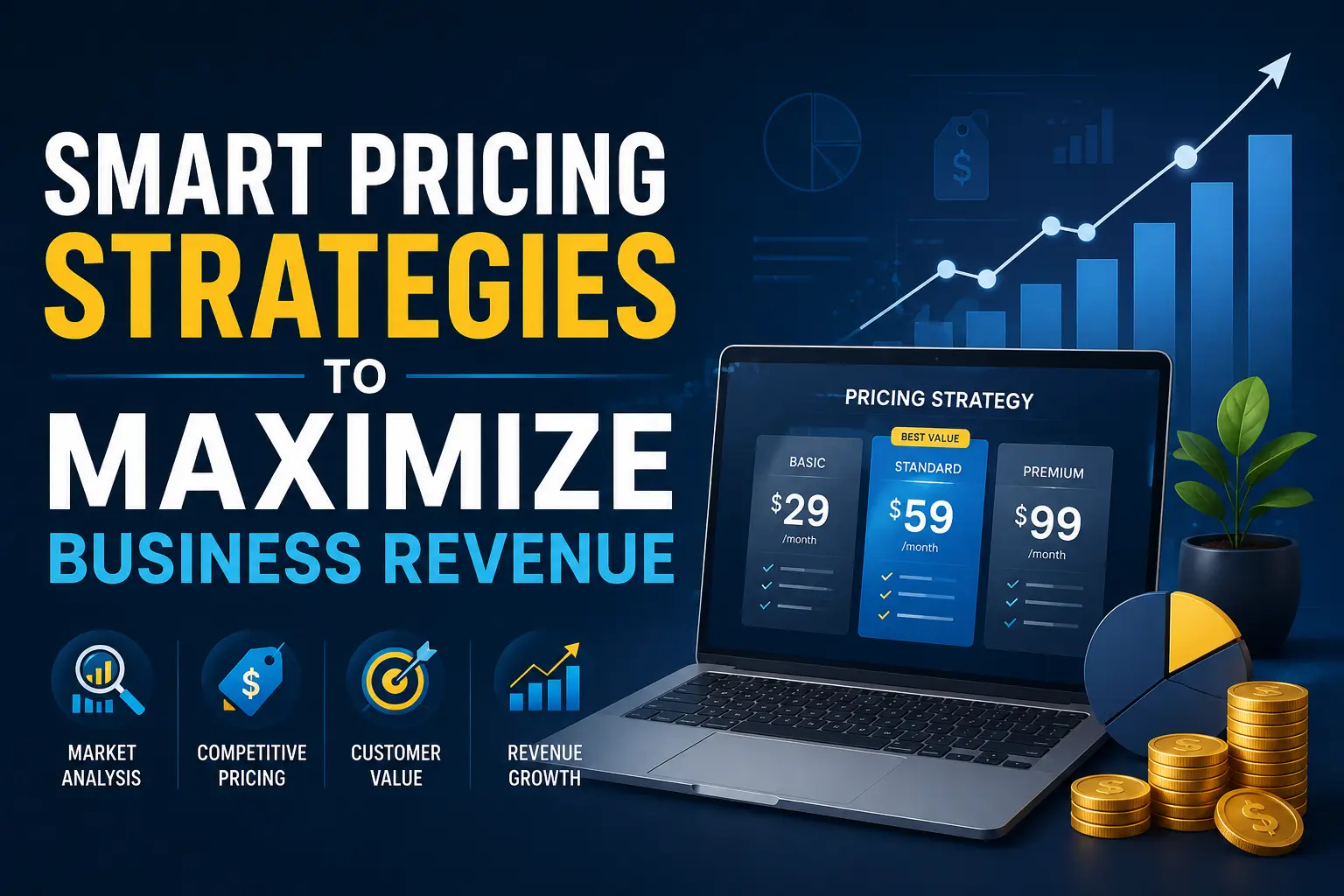
Pricing is the most powerful lever for improving profitability. Rather than setting a static cost based solely on production expenses, successful businesses utilize dynamic, value-based approaches to align their rates with customer perception and market demand. Optimizing your pricing architecture allows you to capture more value from existing customers while attracting new segments without devaluing your brand.
Shifting Toward Value-Based Pricing
Value-based pricing prioritizes what the customer is willing to pay based on the perceived utility of your product or service. Instead of calculating margins on top of costs, you analyze the specific problems you solve for your clients and price according to the economic value of those solutions. This shifts the focus from commoditization to differentiation, allowing for higher profit margins and increased customer loyalty.
-
Tiered Pricing: Segmenting your offerings into basic, professional, and enterprise tiers allows you to capture different segments of the market simultaneously while encouraging upgrades.
-
Psychological Anchoring: By positioning a high-priced “premium” option next to your target product, you make the latter appear more affordable and attractive to the average buyer.
-
Bundling Strategies: Packaging complementary products together increases the average transaction value and simplifies the purchasing decision for consumers.
-
Dynamic Adjustments: Utilizing real-time data to adjust prices based on peak demand, inventory levels, or competitor activity ensures you never leave money on the table.
-
Decoy Effects: Introducing a third, less desirable option can influence customers to choose a mid-tier product that delivers higher profitability for the business.
Implementing Strategic Pricing Models
Executing a successful pricing change requires careful measurement and gradual implementation to avoid alienating your current base. Use the following structured steps to transition your business model effectively.
-
Conduct Elasticity Testing: Gradually test price increases on a small subset of your audience to determine how sensitive your demand is to changes in cost.
-
Optimize the Subscription Cadence: Experiment with billing intervals—such as offering annual discounts compared to monthly rates—to improve cash flow and reduce churn.
-
Introduce Value-Added Services: Rather than just raising base rates, add premium features or support packages that justify higher price points for power users.
-
Monitor Competitive Benchmarking: Regularly audit the market to ensure your pricing reflects your current market position, adjusting for shifts in industry standards.
-
Utilize Behavioral Triggers: Use limited-time offers or scarcity messaging to create urgency, which often reduces price sensitivity during launch periods.
Long-Term Revenue Optimization Through Data
Pricing is never a “set it and forget it” activity. To maximize long-term revenue, businesses must continuously analyze customer behavior and purchase patterns. Sophisticated operators utilize internal data to identify “leakage”—where discounts are unnecessary or where prices are suppressing volume without providing sufficient margin gains. By correlating transaction data with customer acquisition costs, you can refine your pricing to favor high-lifetime-value segments. This iterative process ensures that your revenue strategy evolves alongside your product development and the changing preferences of your target market.
Conclusion
Refining your pricing strategy is one of the most effective ways to boost your bottom line without needing to increase your customer base. By understanding the psychological drivers of your audience and implementing flexible, data-backed models, you can capture the full value of your offering. Start by testing small adjustments today to uncover the growth potential hidden within your existing pricing structure.
Frequently Asked Questions
1. How do I know if my prices are too low? If your conversion rates are exceptionally high and your supply is consistently unable to keep up with demand, you are likely leaving potential revenue on the table.
2. What is the biggest risk when raising prices? The primary risk is a drop in volume; mitigate this by clearly communicating the added value or improved features that justify the new, higher rate.
3. Should I always compete on price? Competing purely on price is a race to the bottom that erodes margins; instead, focus on differentiating your brand so that customers choose you for value rather than cost.
4. How often should I review my pricing strategy? Review your pricing at least once every quarter or whenever you launch significant product updates to ensure your rates remain aligned with your market position.
5. What is the most effective pricing strategy for new products? Often, a penetration strategy is used to gain initial market share, followed by a transition to value-based pricing once your reputation and customer base are established.










Leave a Reply