


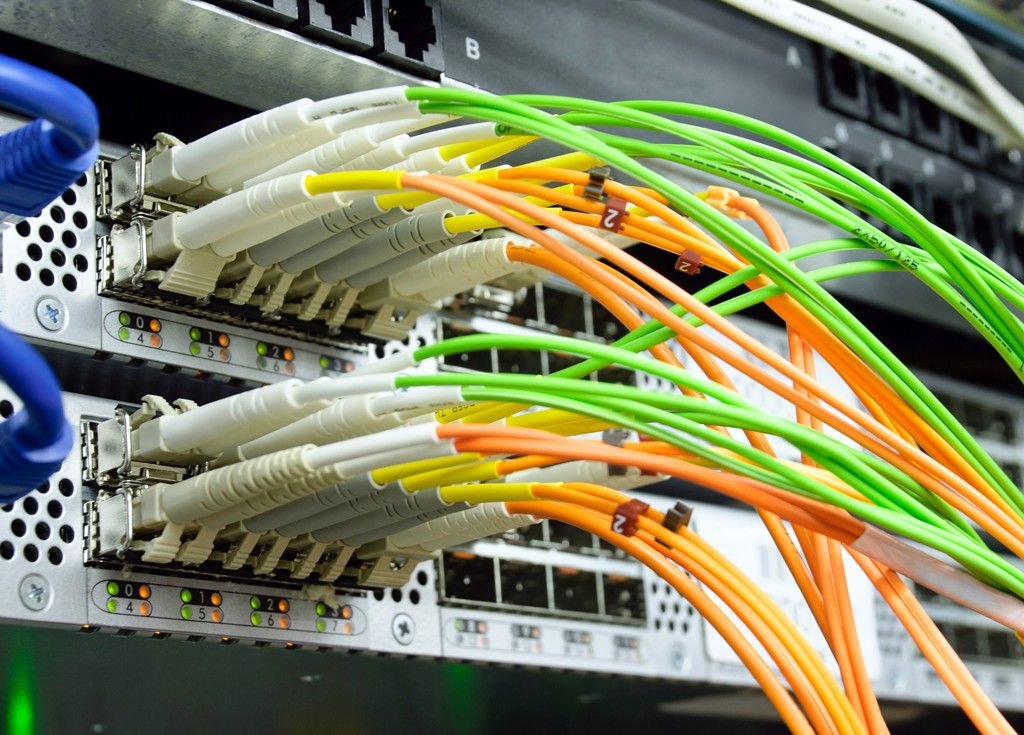
A reliable network infrastructure is essential for businesses that depend on digital communication, internet connectivity and information sharing. From small offices to large commercial buildings, organizations need properly planned cabling systems to connect computers, servers, printers, switches and other network devices. Professional data cabling in Dubai helps businesses establish organized network infrastructure that supports daily operations and future technology requirements.
Data cabling forms the physical foundation of a wired communication network. It allows information to travel between connected devices and network equipment. A properly designed cabling system can improve connectivity, simplify troubleshooting and support efficient communication across different departments and work areas.
Why Data Cabling Is Important for Businesses
Businesses use network connections for several daily activities, including accessing cloud platforms, transferring files, managing databases, conducting video meetings and communicating with customers.
Poorly organized or incorrectly installed cabling can create connectivity problems and make network maintenance more difficult. A structured approach helps ensure that cables are properly routed, identified and connected to the required network equipment.
Some important advantages of professional data cabling include:
- Reliable connectivity: Proper installation helps establish stable connections between network devices.
- Better organization: Structured cable routes make network infrastructure easier to manage.
- Improved scalability: A well-planned system can accommodate additional devices and workstations.
- Simplified maintenance: Proper labelling helps technicians identify connections and troubleshoot problems.
- Long-term flexibility: Suitable cabling infrastructure can support changing business requirements.
Different Types of Data Cabling
Selecting the correct cable depends on network speed requirements, transmission distance, installation environment and connected equipment.
Cat5e Cabling
Cat5e cables are commonly used in basic Ethernet networking applications. They support network connections for computers, printers and other compatible devices.
Cat6 Cabling
Cat6 cables provide improved performance compared with Cat5e and are widely used in modern office networks. They are suitable for connecting workstations, network switches and other Ethernet devices.
Cat6A Cabling
Cat6A cabling is designed to support 10 Gigabit Ethernet over distances up to 100 metres under suitable installation conditions. It is commonly considered for offices, server rooms and commercial environments requiring higher network capacity.
Fiber Optic Cabling
Fiber optic cables transmit information using light signals. They are suitable for high-bandwidth applications, longer-distance connections and network backbone infrastructure.
Where Is Data Cabling Used?
Data cabling is required in different types of buildings and business environments. Each installation must be planned according to the property’s layout and networking requirements.
Corporate Offices
Office environments require connections for desktop computers, IP phones, printers, wireless access points and other network devices. Structured cabling helps connect these systems through an organized network infrastructure.
Educational Institutions
Schools, colleges and training centres depend on network connectivity for computer laboratories, administrative systems, digital learning platforms and wireless internet access.
Hotels and Commercial Buildings
Hotels and commercial properties require network connections for administrative offices, guest services, communication systems and other connected equipment.
Warehouses and Industrial Facilities
Warehouses and industrial facilities use data networks for inventory management, communication equipment, monitoring systems and operational technology.
Server Rooms and Data Centres
Server rooms require organized cabling between servers, switches, patch panels and storage equipment. Proper cable management helps improve accessibility and simplify network maintenance.
Important Considerations When Planning a Data Cabling Project
A successful network installation requires proper planning before cables are purchased or installed. Understanding the building layout and network requirements helps avoid unnecessary changes later.
1. Network Requirements
Identify the number of connected devices, required network speeds and expected future expansion. This information helps determine the appropriate cable category and network design.
2. Cable Routing
Cable routes should be planned to avoid unnecessary bends, physical damage and interference from unsuitable installation conditions. Proper pathways and cable management accessories help maintain an organized installation.
3. Patch Panels and Network Racks
Patch panels and network racks help organize network connections. They make it easier to identify cable endpoints and manage connections between network devices.
4. Labelling and Documentation
Each cable should be identified according to a consistent labelling system. Proper documentation helps technicians locate connections quickly during maintenance and troubleshooting.
5. Testing and Certification
After installation, cables should be tested using suitable network testing equipment. Testing helps verify cable performance, identify installation faults and confirm that connections meet the required specifications.
How to Choose a Data Cabling Service Provider in Dubai
Selecting an experienced installation provider is important for developing dependable network infrastructure. Businesses should evaluate technical knowledge, installation experience, cable quality and testing procedures before making a decision.
A suitable provider should understand different cabling categories, fiber optic connections, network rack arrangements and structured cabling practices. The provider should also be able to assess the property and recommend a solution based on its networking requirements.
Organizations looking for professional data cabling services in Dubai can explore structured network infrastructure solutions designed for commercial and business environments.
The Role of Regular Network Infrastructure Maintenance
Data cabling infrastructure should be inspected periodically to identify damaged cables, loose connections and cable management issues. Network racks and patch panels should also be checked to ensure that connections remain properly organized.
Maintenance teams can use network testing tools to investigate connectivity problems and verify cable performance. Keeping updated network documentation also makes future upgrades and troubleshooting easier.
Conclusion
Data cabling is an essential part of modern business networking. From Cat6 and Cat6A Ethernet connections to fiber optic backbone networks, the right infrastructure helps businesses maintain communication between devices and network systems.
Proper planning, professional installation, organized cable management and suitable testing procedures contribute to a reliable network environment. Investing in quality data cabling infrastructure also helps organizations prepare for future connectivity requirements and business expansion.












Leave a Reply